Sewage Ejector Pump Repair Rancho Palos Verdes, CA
A sewage ejector pump lifts wastewater from fixtures that sit below the sewer line — a basement bathroom, a lower-level laundry, a hillside home with rooms beneath the street. When the pump fails, those fixtures stop working.
Need help with your sewer line?
Call Now to reach a local sewer professional. Describe the problem, where it is, and what the line has been doing.
Hours: Mon–Fri 7:00 AM–10:00 PM PT · Sat 8:00 AM–10:00 PM PT · Sun 7:00 AM–9:00 PM PT
What this service does
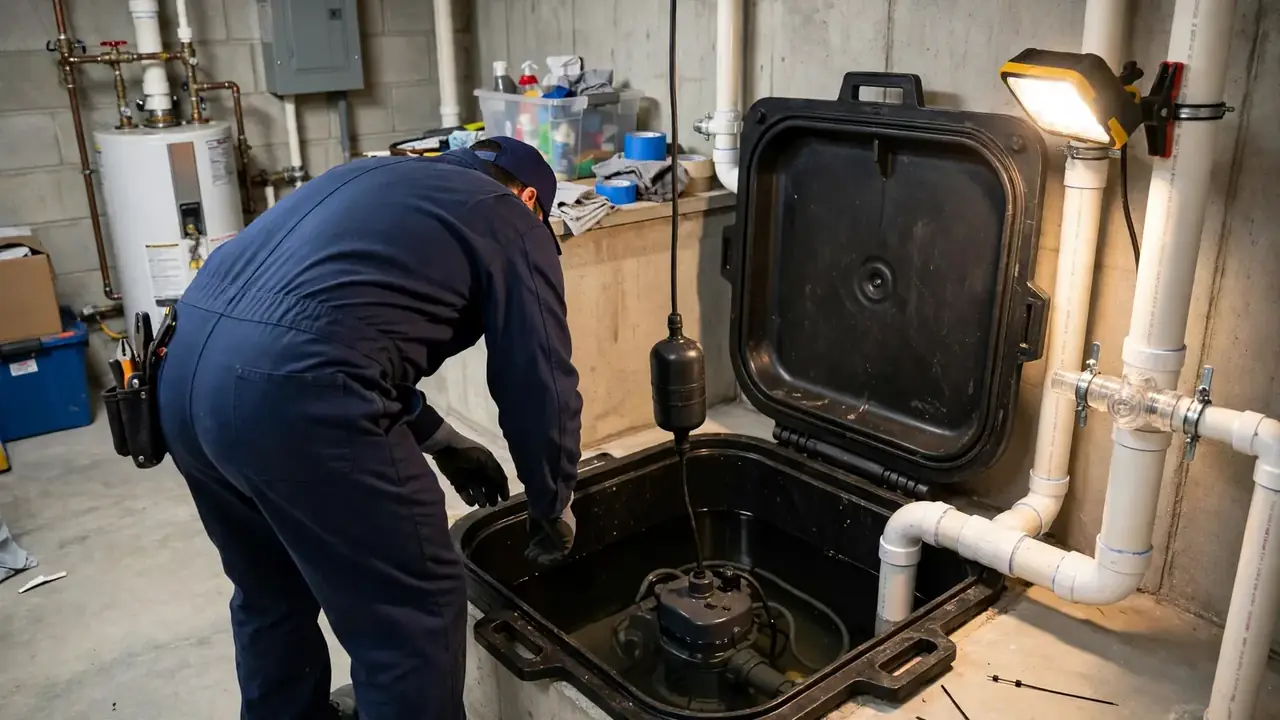
A sewage ejector pump is the part of the plumbing that makes below-grade fixtures possible. Most of a home's drains work by gravity: wastewater flows downhill to the sewer line and out to the street main. But a fixture that sits below the level of the sewer line — a bathroom or laundry room on a lower level, or a room in a hillside home that sits beneath the street — cannot drain by gravity. Its wastewater flows into a sealed basin, and when the basin fills to a set level, the ejector pump switches on and pushes the wastewater up to the sewer line. The basin is sealed, and the seal matters. A basin that is not sealed lets sewer gas into the home, and the smell is the first sign that the seal has failed or the vent is blocked. The vent pipe carries gas up through the roof, and the basin lid is gasketed to keep gas out of the room. A smell from the basin area is a sign to check the seal and the vent before assuming the pump has failed.
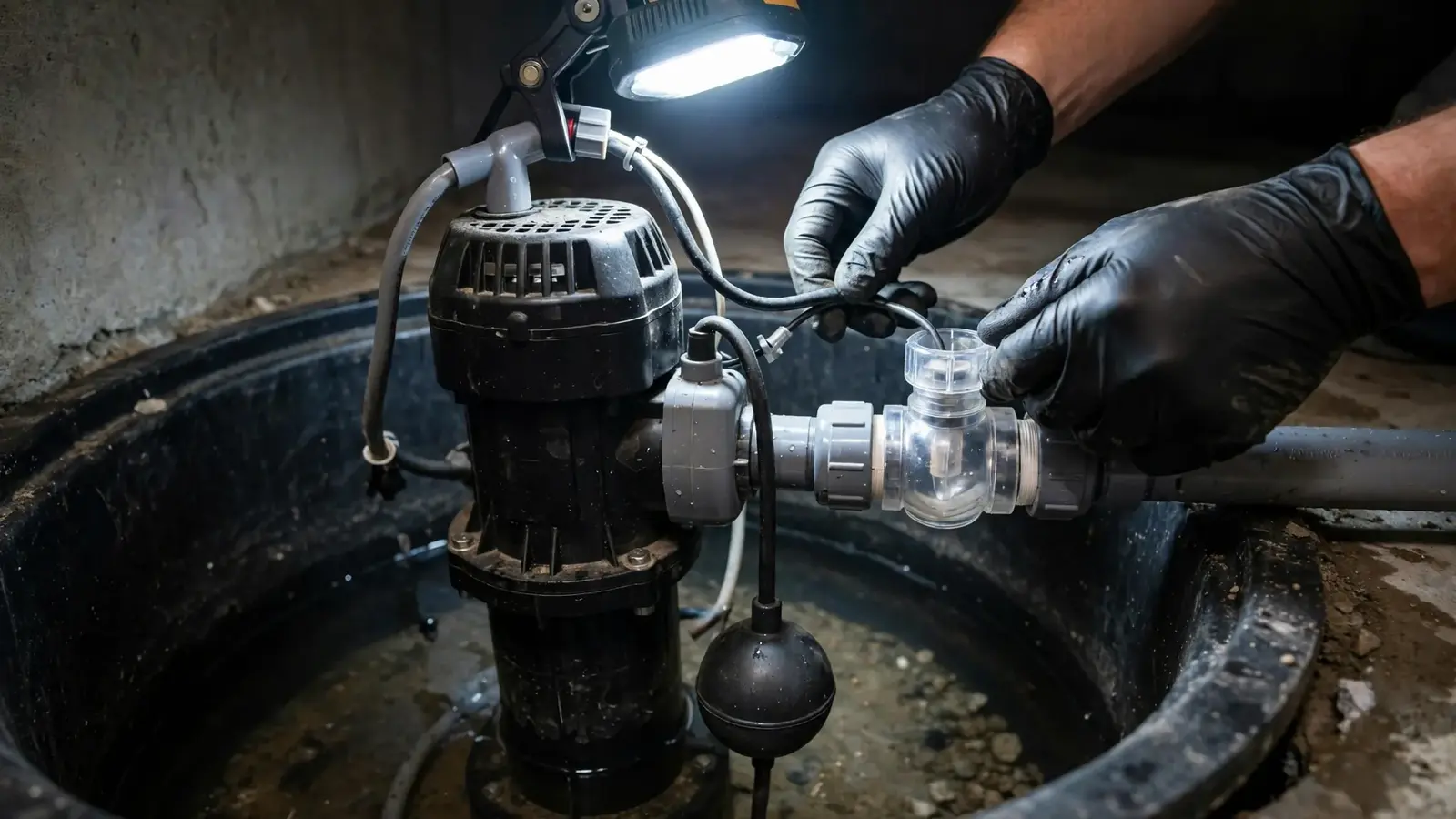
The pump, the basin, the float switch, the check valve, and the alarm work as one system. The float switch senses the level in the basin and starts the pump. The pump lifts the wastewater through a discharge pipe to the sewer line. The check valve keeps the wastewater from flowing back into the basin when the pump stops. The alarm sounds if the level in the basin rises too high, which means the pump is not keeping up. When any part of that system fails, the fixtures it serves stop working — and the basin can overflow. The float switch is the part that fails most often, because it moves every time the pump cycles and it sits in wastewater. A float that sticks, or a switch that wears out, will either leave the pump off while the basin fills or leave the pump running when the basin is empty. Either failure is fixed by replacing the switch, which is a smaller job than replacing the pump itself.
Rancho Palos Verdes has more ejector pumps than a flat city would, because the homes here are built into hillsides. A house on a steep lot often has living space on more than one level, with bathrooms and laundry rooms that sit below the sewer line at the street. Abalone Cove, on the coast, runs on its own low-pressure sewer system — the only system in the city owned and operated by the City itself, serving 111 lots with a network of pumps and lift stations — which is a reminder that pumped sewer systems are part of how this city works. An ejector pump in a home is the same idea at household scale: a pump that lifts wastewater to where gravity can take over. The hillside layout of the city is the reason these systems are common here. A house built into a slope often has its lowest level well below the street, and the sewer line at the street is higher than the fixtures on that level. Gravity cannot move wastewater uphill, so the pump does the lifting. A flat lot rarely needs one; a hillside lot often does, and the pump is part of the home plumbing from the day it is built.
Before you call
- Stop using water if the line is backing up.
- Keep people and pets away from any wastewater.
- Note which drains are slow, and which one backs up first.
- Note whether the problem happens in heavy rain, or all the time.
- Have the age of the home ready, if you know it.
How a sewage ejector pump system works
The system starts with the basin, a sealed tank set into the floor below the fixtures it serves. Wastewater from the below-grade toilet, sink, shower, or laundry drains into the basin by gravity. Inside the basin sits the pump, and a float switch rides on the surface of the wastewater. When the level rises to the switch point, the float triggers the pump, which pushes the wastewater up through a discharge pipe to the sewer line at a higher level. When the level falls, the float drops and the pump switches off. The discharge pipe rises from the basin to the sewer line, and the height it has to lift the wastewater, the lift height, decides the size of the pump. A pump that has to lift water twenty feet needs more power than a pump that lifts it eight feet, and the pump is sized for the lift in the home it serves. A pump that is too small for the lift will run long and wear out early.
The check valve is the part that makes the cycle work. It sits in the discharge pipe, above the basin, and it lets wastewater flow up and out while the pump runs, then closes when the pump stops — so the wastewater in the discharge pipe does not drain back into the basin. If the check valve fails, the wastewater flows back every time the pump stops, the pump has to run again to move the same water, and the pump cycles on and off far more than it should. A pump that short-cycles is usually a check-valve problem, not a pump problem. The check valve is usually a swing valve or a ball valve, and it sits in the discharge pipe above the basin. When the pump runs, the flow pushes the valve open; when the pump stops, the weight of the water in the pipe pushes it closed. A valve that is stuck open, or one whose seal has worn, lets the water fall back, and the pump has to move the same water again. The valve is a small part, and its failure makes the whole system work twice as hard.
The alarm is the warning system. A second float, set higher in the basin, triggers an audible alarm — and sometimes a light — when the level rises past the point where the pump should have handled it. An alarm means the pump is not keeping up: the pump has failed, the float switch is stuck, the discharge pipe is blocked, or the power is out. The alarm is not a nuisance to silence; it is the signal that the basin is filling and the fixtures above it need to stop being used until the system is checked. The alarm usually has a battery backup, so it sounds even when the power is out and the pump cannot run. That matters because a power outage is exactly when the basin fills unnoticed: the fixtures are still used, the pump is still, and the water has nowhere to go. The alarm is the warning that the basin is filling, and it is the reason the fixtures should stop being used until the power returns.
What the service includes
Full system diagnosis
The pump, the float switch, the check valve, the discharge pipe, and the alarm are all checked, because a failing ejector system is often one failed part making the rest of the system work too hard.
Float switch repair or replacement
A stuck, worn, or misadjusted float switch is one of the most common failures. The switch is tested, adjusted, or replaced so the pump starts and stops at the right levels.
Check valve repair or replacement
A check valve that does not close lets wastewater flow back into the basin, so the pump cycles constantly. The valve is inspected and replaced when it no longer seals.
Pump repair or replacement
A pump that hums without pumping, runs without stopping, or does not start at all is tested to find whether the fault is in the motor, the impeller, or the switch — and repaired or replaced on what the testing shows.
Discharge pipe and vent check
The discharge pipe is checked for blockages and the vent is checked for obstructions, because a blocked discharge or a blocked vent will make a sound pump behave as if it has failed.
Alarm testing
The high-level alarm is tested so it sounds when the basin level rises past the point where the pump should have handled it. An alarm that does not sound is a failure of the warning system itself.
How the work runs
Describe the symptoms
A pump that does not start, a pump that runs without stopping, an alarm sounding, a smell from the basin, or below-grade fixtures that back up. Whether the pump runs at all tells the crew where to start.
Check the power and the switch
The power supply and the float switch are checked first, because a tripped breaker or a stuck float is a simple fix — and a pump is not replaced when the switch is the problem.
Test the pump
The pump is tested to find whether the motor runs, whether the impeller moves water, and whether the discharge pipe is clear. The testing separates a pump fault from a switch fault or a pipe fault.
Repair or replace the failed part
The failed part — the float switch, the check valve, the pump, or the discharge pipe — is repaired or replaced. The rest of the system is left in place when it is sound.
Test the full cycle
The system is run through a full cycle: the basin fills, the float starts the pump, the pump lifts the water, the check valve holds, and the pump stops. The cycle is watched to confirm it works as it should.
Test the alarm
The high-level alarm is tested so it sounds if the basin level rises too high. The homeowner is shown how the alarm works and what to do if it sounds.
Tools and methods used
Multimeter
A multimeter checks the power supply to the pump and the continuity of the float switch, separating an electrical fault from a mechanical one.
Basin pump and float assembly
The replacement pump and float switch are matched to the basin and to the height the wastewater has to be lifted — the lift height decides the pump size.
Check valve
A replacement check valve is sized to the discharge pipe, so it seals when the pump stops and keeps wastewater from flowing back into the basin.
Sewer camera
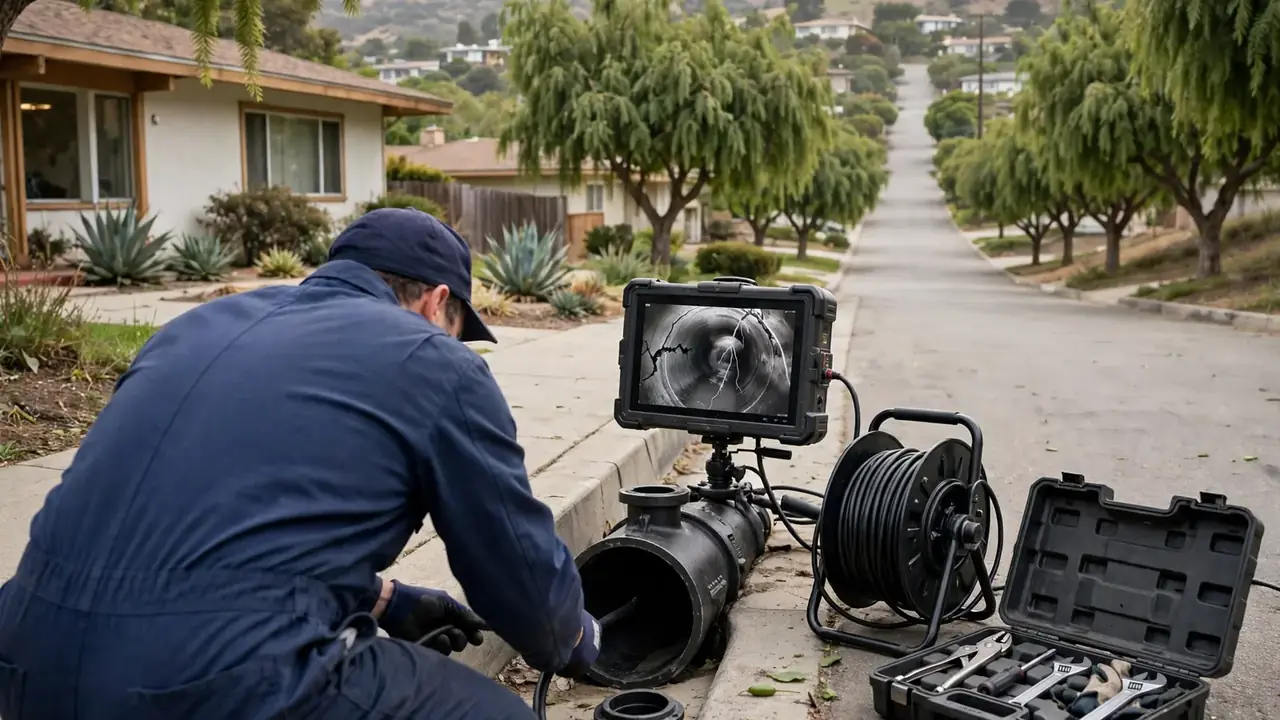
The camera checks the discharge pipe for blockages where it meets the sewer line, and confirms the pump's discharge is reaching the line it is meant to serve.
Sewage ejector pump replacement cost: what decides it
What a sewage ejector pump job involves depends on the pump and the pit it sits in. The pump model and size matter first: a pump that lifts waste from a single below-grade bathroom is a smaller unit than one that serves a whole lower level, and the replacement has to match the lift and the flow the home needs. The condition of the basin matters next, and so does the electrical supply and the alarm: a failed pump with a sound basin and a working alarm is a different job from a pump whose basin is cracked or whose controls have failed with it. Access matters too, since a pump in an open pit is reached directly while one under a finished floor takes more work to get to. The check valve, the discharge pipe, and the vent are part of the job, because a new pump on a failed check valve will cycle and fail early.
A sewage ejector pump is not the same unit as a sump pump, and the distinction matters when something fails. A sump pump moves groundwater only, from a pit under the floor to the outside, and it never sees waste. A sewage ejector pump, and its cousin the grinder pump, moves wastewater with solids from below-grade fixtures up to the sewer line, and it has to handle what a sump pump never meets. Maintenance is what keeps the difference from becoming a failure: the alarm should be tested, the basin should be checked for buildup, the check valve should be confirmed, and wipes and grease should never go down a drain that feeds the pump, because they wrap the impeller and jam the float. A pump that runs too often, runs too long, or runs loudly is a pump that is struggling, and the struggle is usually caused by something in the basin or the pipe rather than by the pump itself.
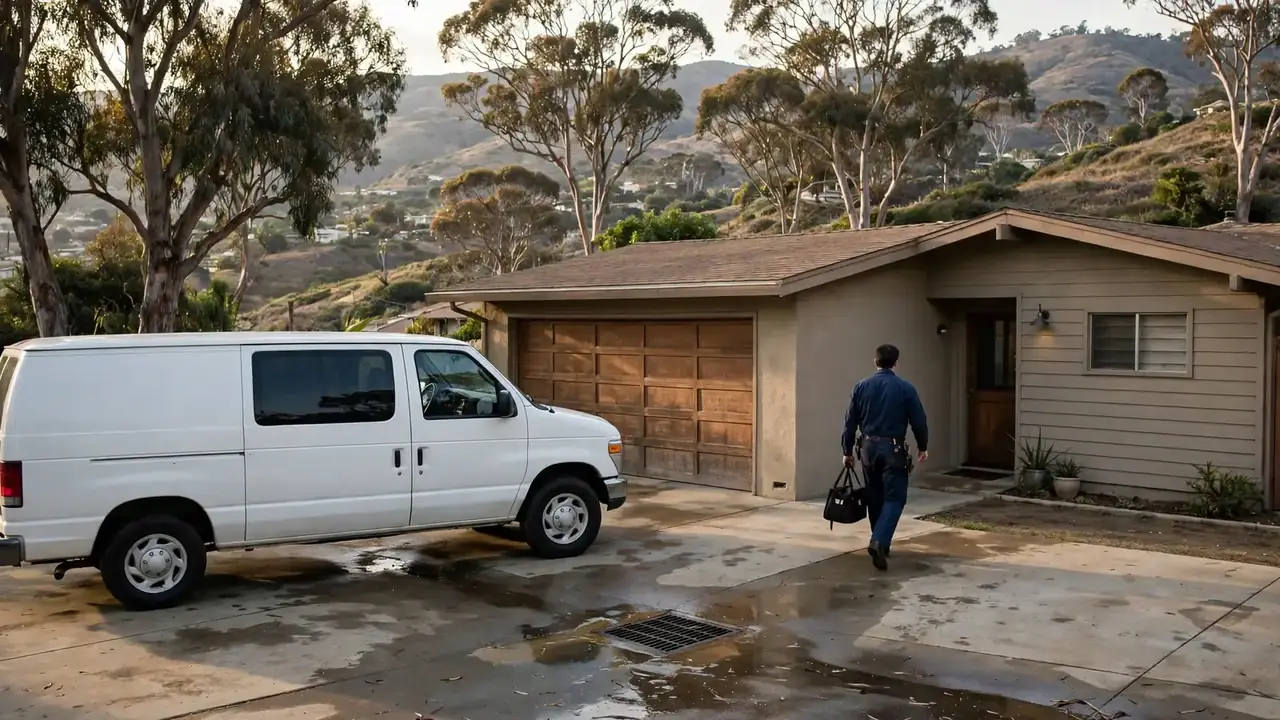
A below-grade bathroom that cannot drain
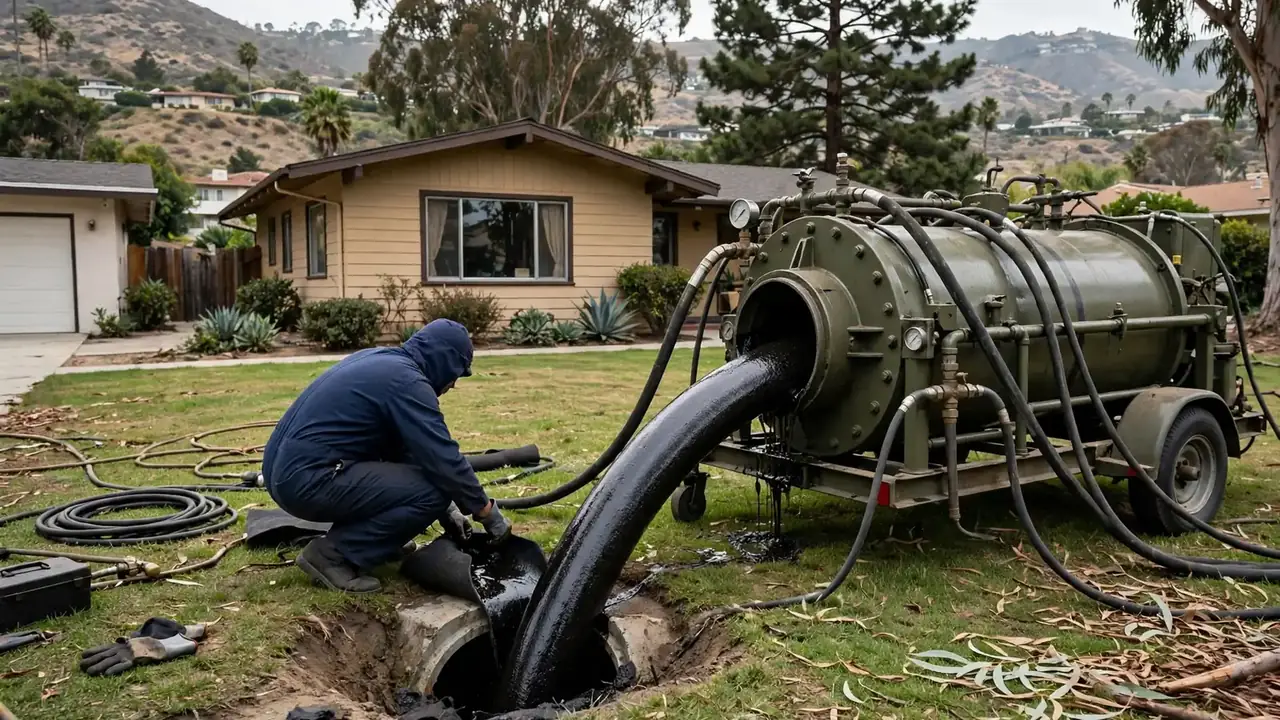
A lateral that keeps backing up will not heal — the water keeps coming back through the lowest drain in the house.
A pump system that lifts wastewater to the sewer line
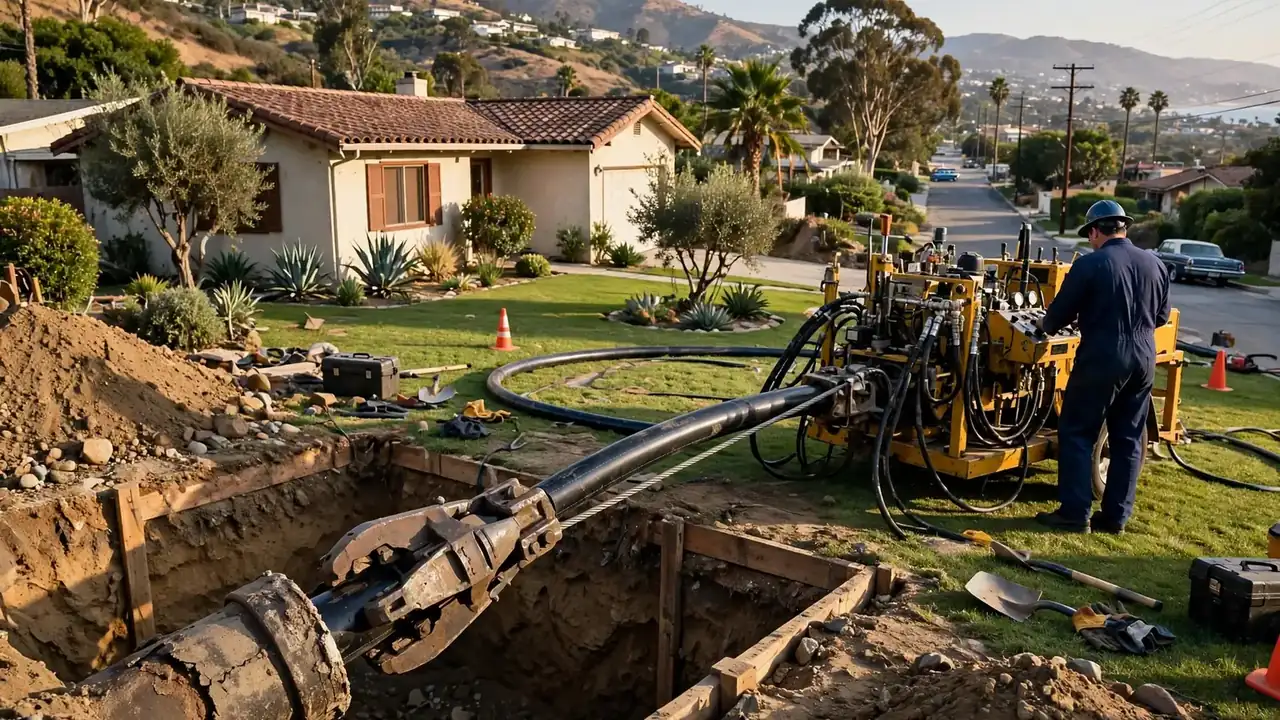
The work is checked with a camera, not a look at the surface — the new line is seen end to end before the job is called done.
Problems an ejector pump repair solves
- A below-grade bathroom or laundry that backs up while upstairs fixtures work.
- A pump that runs without stopping because the check valve is not holding.
- A float switch that is stuck, so the pump never starts.
- A pump motor that has failed and no longer lifts wastewater.
- A discharge pipe that is blocked where it meets the sewer line.
- An alarm that sounds because the pump is not keeping up with the basin.
Signs your ejector pump is failing
- A below-grade toilet, sink, or shower backs up, while the fixtures upstairs work normally.
- The pump runs constantly and never seems to switch off.
- The pump hums but does not move any water.
- The pump does not start at all when the basin fills.
- The high-level alarm sounds, or sounds repeatedly.
- The pump turns on and off every few minutes, over and over.
- A sewer smell comes from the basin area or the below-grade bathroom.
- The pump is noisy, grinding, or vibrating more than it used to.




Related services
Emergency Sewer Repair · Sewer Camera Inspection · Sewer Lateral Repair
Industries that use this service
Hillside & Slope Properties · Commercial Properties · All industries →
Related guides
Abalone Cove Grinder Pumps · Sewer Repair Insurance in California · All guides →
Frequently asked questions
Questions people ask about sewage ejector pump repair, answered plainly.
A sewage ejector pump lifts wastewater from fixtures that sit below the level of the sewer line — a bathroom or laundry room on a lower level, or a room in a hillside home that sits beneath the street. Wastewater from those fixtures drains into a sealed basin, and when the basin fills to a set level, the pump switches on and pushes the wastewater up through a discharge pipe to the sewer line, where gravity takes over.
The clearest sign is a below-grade fixture backing up while the fixtures upstairs work normally. Other signs are a pump that runs constantly, a pump that hums without moving water, a pump that does not start at all, a high-level alarm that sounds, or a pump that turns on and off every few minutes. A sewer smell from the basin area is another sign that the system is not working as it should. A smell from the basin area is another sign, and it often means the basin seal or the vent is the problem rather than the pump. The smell appears when the seal has failed or the vent is blocked, and the check is part of the same visit.
The usual cause is a check valve that is not closing. The check valve sits in the discharge pipe and is meant to keep wastewater from flowing back into the basin when the pump stops. If it does not seal, the wastewater flows back, the basin refills, and the pump starts again — so it runs almost constantly. A float switch stuck in the on position causes the same symptom, and the testing separates the two.
That is called short-cycling, and it is usually a check-valve problem. When the pump stops, the wastewater in the discharge pipe flows back into the basin through a valve that does not seal, the float rises again, and the pump starts again — sometimes every few minutes. A float switch set too close to the pump's stop level can cause the same pattern. Short-cycling wears the pump out, so it is worth fixing rather than living with.
The alarm sounds when the level in the basin rises past the point where the pump should have handled it. That means the pump has failed, the float switch is stuck, the discharge pipe is blocked, or the power is out. The alarm is a warning that the basin is filling and the fixtures above it need to stop being used until the system is checked. Silence the alarm only after the cause is found.
It depends on what has failed. A float switch, a check valve, or a blocked discharge pipe can usually be repaired or replaced on its own, and the pump itself stays in place. A pump with a failed motor or a damaged impeller is usually replaced rather than rebuilt. The testing — power, switch, pump, and discharge — shows which part has failed before anything is replaced. The testing comes first, because replacing a pump when the float switch is the problem wastes a good pump. Power, switch, pump, and discharge are tested in order, and the failed part is the one that is replaced.
The basin and the pump should be checked regularly, and the float switch should move without sticking. The check valve should seal when the pump stops, and the high-level alarm should be tested so it sounds when the basin level rises too high. What should never go into an ejector system is anything that does not break down in water — wipes, paper towels, and grease are the items that most often jam a pump or block a discharge pipe. The basin should also be checked for solids that have settled, because a basin that has never been cleaned can hold material that the pump cannot move. A periodic check keeps the basin clear and the pump working as it should.
The pump stops, because it runs on electricity. The basin keeps filling from any fixture that is used, and the high-level alarm — if it has a battery — will sound when the basin fills past the safe level. During an outage, stop using the below-grade fixtures so the basin does not overflow. When the power returns, the pump should start on its own once the float rises to the switch point.
It depends on the pump model and size, the condition of the basin, whether the electrical supply and alarm need work, how the pump is accessed, and whether the check valve and discharge pipe need attention with it. A failed pump in a sound basin with a working alarm is the simplest case. A pump whose basin or controls have failed with it takes more work, and the alarm test is part of the visit either way.
Sewer line trouble in your Rancho Palos Verdes home?
Call Now to reach a local sewer professional. Describe the problem, where it is, and what the line has been doing.
Call now for sewer line help
Tap Call Now to reach a local sewer professional. Tell them where the problem is, what the line has been doing, and whether wastewater is coming into the home.
Hours: Mon–Fri 7:00 AM–10:00 PM PT · Sat 8:00 AM–10:00 PM PT · Sun 7:00 AM–9:00 PM PT
Before you call
- Stop using water if the line is backing up.
- Keep people and pets away from any wastewater.
- Note which drains are slow, and which one backs up first.
- Note whether the problem happens in heavy rain, or all the time.
- Have the age of the home ready, if you know it.