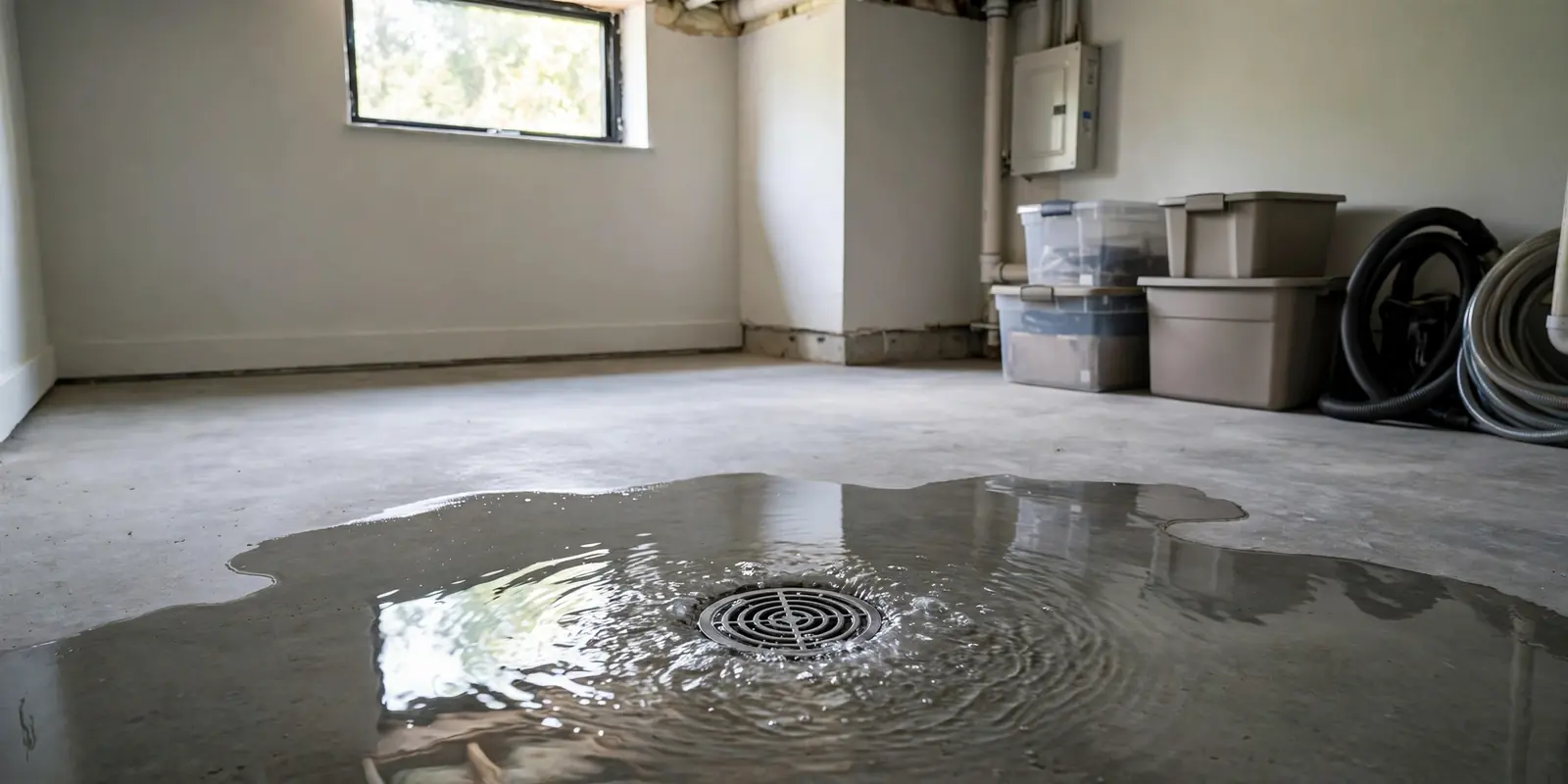
Sewage Backup in the Lowest Drain in Rancho Palos Verdes, CA
Wastewater coming up through the lowest drain is an urgent problem. Stop using water, keep away from the wastewater, and call for help — then have the cause found on camera.
Rancho Palos Verdes Sewer Line Pros · 2026-11-17 · Signs & Symptoms
The short version
Problem: Stop using water, keep people and pets away from the wastewater, and call for help.
What to do: Do not use chemical drain cleaners, and do not try to clear a main-line backup with household tools.
When to call: Call Now if wastewater is coming into the home, or if the backup is getting worse.
What to do first
Stop using water in the house. Every flush, every shower, every load of laundry adds water to a line that cannot take it. If the backup is at the lowest drain, the water will keep rising as long as water is being used upstairs. Turn off the washing machine and the dishwasher, and tell everyone in the house not to run taps or flush toilets until help arrives. Turning off the washing machine matters because a single load can send a large volume of water into a blocked line, and that water has nowhere to go but back through the lowest drain.
Keep people and pets out of the water. Wastewater is treated as contaminated water, and it belongs in the pipe. Do not walk through it, do not let children or pets near it, and do not try to mop it up with household tools. If the water is near electrical outlets, switches, or appliances, stay out of the room entirely, because water and electricity together are a hazard that needs a professional. Wastewater near an electrical outlet is a hazard that needs a professional, because water and electricity together can injure anyone who steps into the room to mop it up.
Then call for help, and describe the backup: where the water is coming in, how much water there is, and whether it is still rising. The crew needs to know whether the backup is in progress, and whether it is getting worse. A backup in progress is handled as an urgent call, and the first job is to stop the water coming in and find the cause. Describing the backup to the crew helps them decide what equipment to bring, because a backup that is still rising needs a different response from one that has stopped.
What not to do
Do not use a chemical drain cleaner. It will not clear a main-line blockage, and it can make the work harder and less safe for the crew that follows. The chemicals sit in the line, and the crew has to work around them. A main-line backup is not a drain cleaner problem. It is a lateral problem, and the fix is in the line. Chemical drain cleaners do not clear a main-line blockage, and they sit in the line where the crew has to work, making the clearing slower and less safe for everyone involved.
Do not keep running water to flush it through. The water has nowhere to go but back into the house, and every gallon adds to the backup. Do not run the washing machine, the dishwasher, or the showers, and do not flush the toilets. The line is blocked, and the water will come back through the lowest drain. Running water to flush a blocked line through only adds to the backup, because every gallon that goes down a drain comes back through the lowest opening in the house.
Do not try to clear the line yourself with a rented cable or a shop vacuum. A main-line blockage is not a fixture clog, and a cable in untrained hands can damage the pipe, or push the blockage further in. A shop vacuum spreads contaminated water through the air and the machine. The crew has the equipment and the experience for this work, and the backup is their job, not the homeowner's. A rented cable in untrained hands can damage an old clay pipe, and a cable that pushes a blockage further in can turn a clearing into a much larger job.
Why backups happen in Rancho Palos Verdes
The most common cause in Rancho Palos Verdes is a failed lateral. The median year homes here were built is 1967, and more than four in five homes date from before 1980. The common causes are roots in clay joints, a collapsed section, a belly that holds water, or a line that has narrowed with age. When the lateral cannot carry the flow, the wastewater comes back through the lowest drain in the house. A lateral laid in the 1960s has had decades for its joints to open, and a root mat that fills the bore will block the line completely when a large flow arrives all at once.
Heavy rain adds a second pattern. A backup that happens only in heavy rain, and clears when the rain stops, points toward the street side rather than a blockage inside the house. A surcharged main, a lateral that takes in storm water, or an older shared sewer can push water back toward homes in a storm. The history of when the backups happen is part of the diagnosis, and it is worth noting. A backup that happens only in heavy rain is a different pattern from one that happens in dry weather, and the rain pattern is part of the diagnosis the crew needs to hear.
The third cause is a lateral that takes in storm water. Roof downspouts tied into the lateral, a sump pump discharging into it, or groundwater entering through cracked joints all add water during a storm. A lateral that handles normal flow can fail under storm flow. The camera inspection after the backup is cleared, together with the history of when the backups happen, is what separates these causes. A downspout tied into the lateral can send a storm worth of water into the pipe in an hour, and a line that handles normal flow can fail under that sudden load.
How the cause is found
The urgent work is to clear the line and restore flow, so the house can be used again. A cable machine with a cutting head clears the blockage, and a hydro jetter scours the pipe afterwards. That is the emergency part of the job, and it is not the lasting fix. Clearing restores flow, but it does not fix the pipe. A cable machine clears the blockage and a hydro jetter scours the pipe afterwards, so the camera that follows can see the pipe wall instead of the debris that was hiding it.
The lasting fix starts with a camera inspection, once flow is restored. The camera runs from the house to the street main, showing the cause: a root mat, a collapse, a belly, a broken connection, or a problem at the street main. The locator marks the position and depth of each defect on the surface, so any digging goes to the right spot. The camera runs from the house to the street main, and the operator notes each defect with its distance and depth, so the fix is planned for the right place.
The crew then explains what the camera found, and what the lasting fix is: a spot repair, lining, bursting, or a full replacement. The fix is planned from the evidence, not from a guess. The camera findings are kept as the record of the line's condition, useful for any later work on the line and for a future buyer who asks about the sewer. A spot repair fixes one failed section, while roots at many joints call for lining, and a collapsed line calls for bursting or a full replacement, so the findings decide the fix.
What to document, and what to do next
Take photos. Photograph the water, the drains it came from, and everything it touched, before anything is cleaned. The photos are the record for the household, and they are easier to take now than to reconstruct later. Note the time the backup started, what was happening in the house, and whether it was raining. If neighbours had the same problem, note that too, because a backup that affected several homes on a street points toward the street side. Photos taken before anything is cleaned are the record of the backup, and they are easier to take in the first hour than to reconstruct from memory weeks later.
Keep the camera findings and any paperwork from the work. The footage and the written findings are the evidence of what the line looked like, and they are what a future crew will ask for. Keep the notes about the work done, including the date and what was cleared or repaired, with the other records for the house. Keeping the camera findings with the other records for the house means a future crew, a buyer, or an insurer can see what the line looked like without another inspection.
Ask about a backwater valve, where the backups come from the street side in heavy rain. A backwater valve is a one-way valve in the lateral that lets wastewater flow out but closes when water tries to flow back in, where the layout of the lateral allows it. Whether one fits a home depends on the layout of the lateral and where the lowest drain sits, and the crew explains that after the inspection. A backwater valve closes when water tries to flow back from the street, and it is worth asking about where backups come from the street side in heavy rain.
Related: Sewer Repair Insurance in California · Emergency Sewer Repair · sewer line repair across Rancho Palos Verdes
Related guides
 Guides
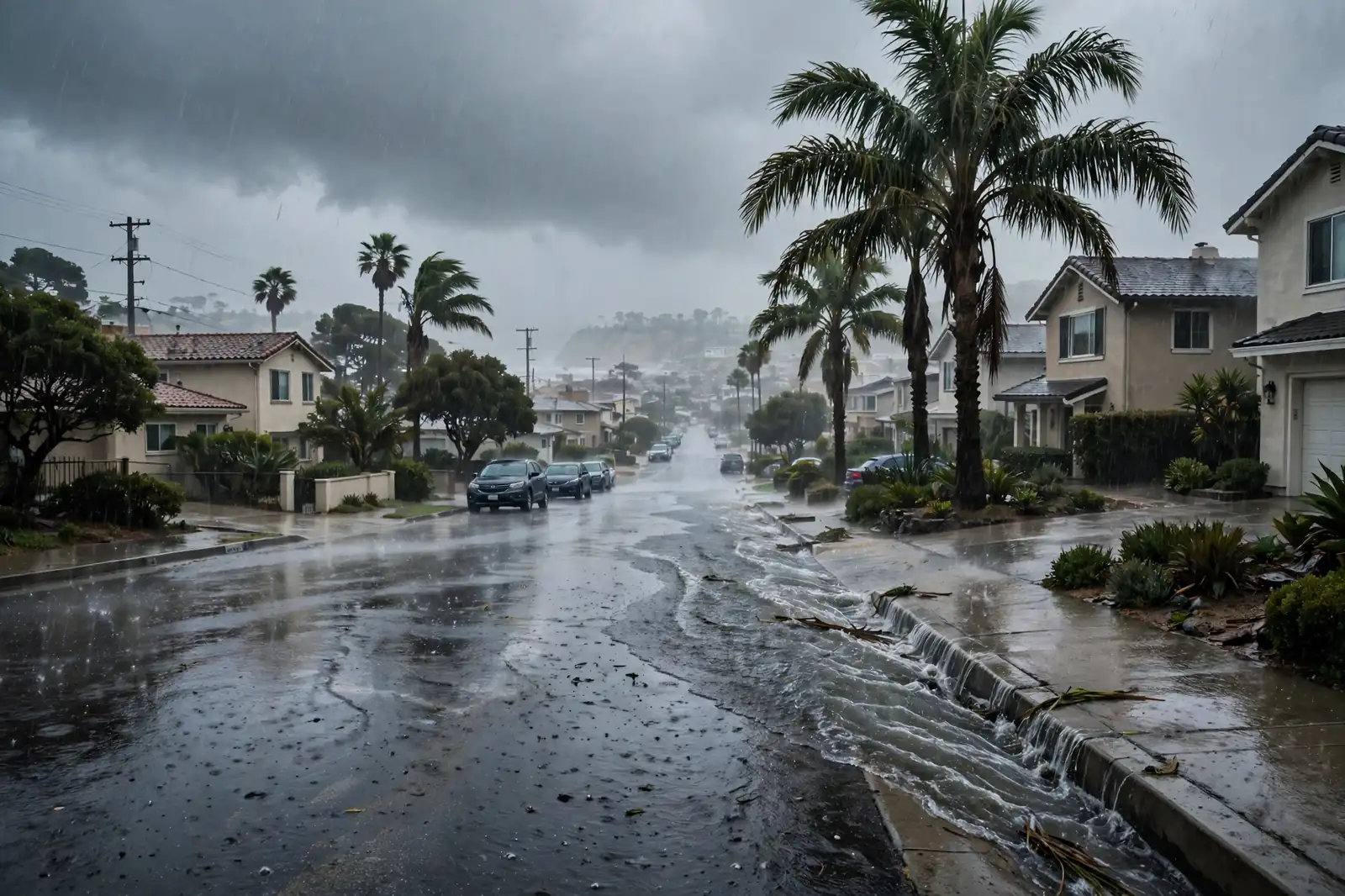
Rain and Sewer Backups in Rancho Palos Verdes, CA
A backup that happens only when it rains is a different problem from one that happens in dry weather. It points to the street side, or to storm water getting into the lateral — and the camera inspection after the rain finds which one.
 Signs & Symptoms
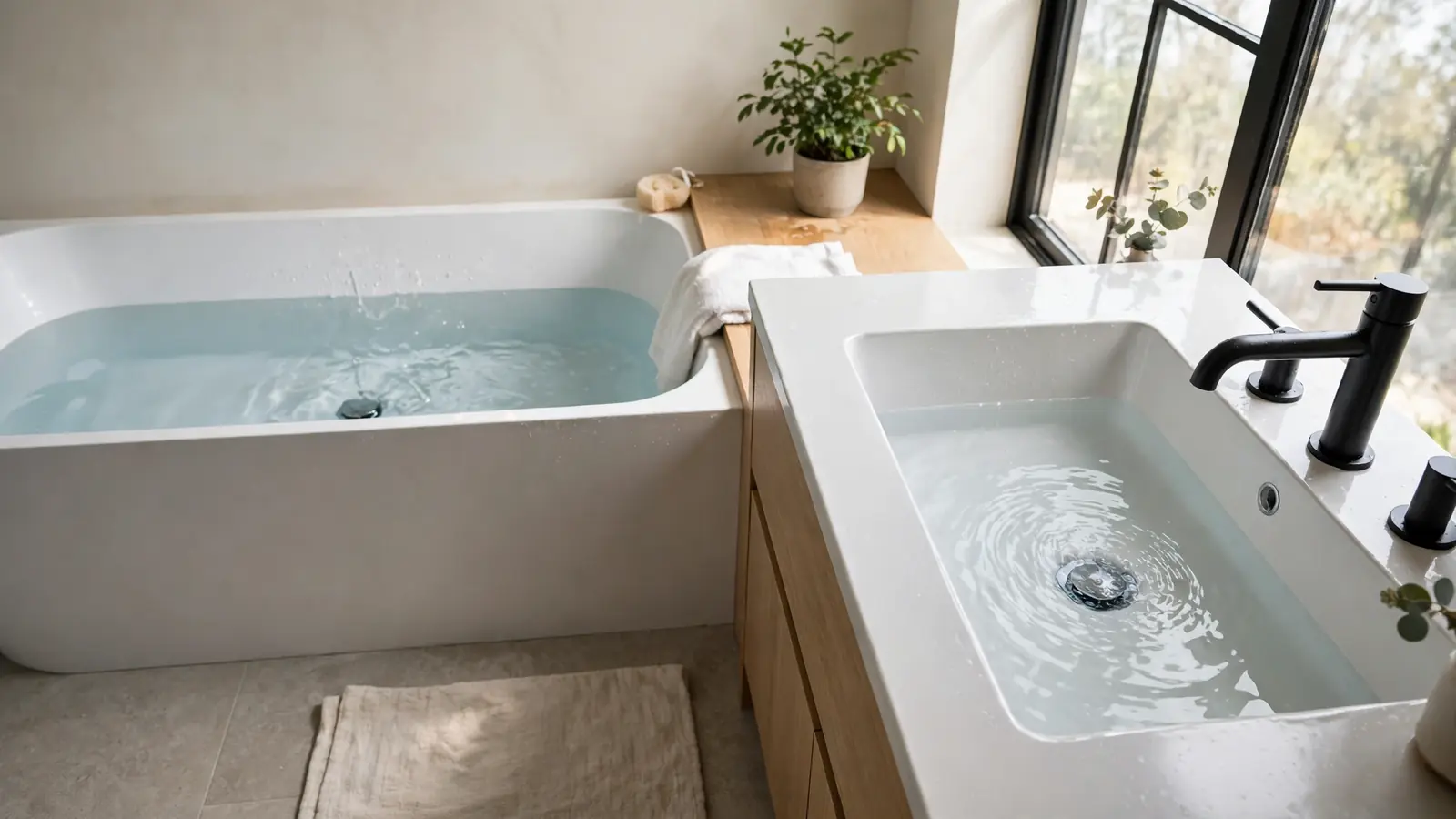
Slow Drains vs Main Line Problem in Rancho Palos Verdes, CA
One slow drain is usually a local clog. Several slow drains at once mean the lateral. Here is how to tell the difference in a Rancho Palos Verdes home — and what to do next.
 Guides
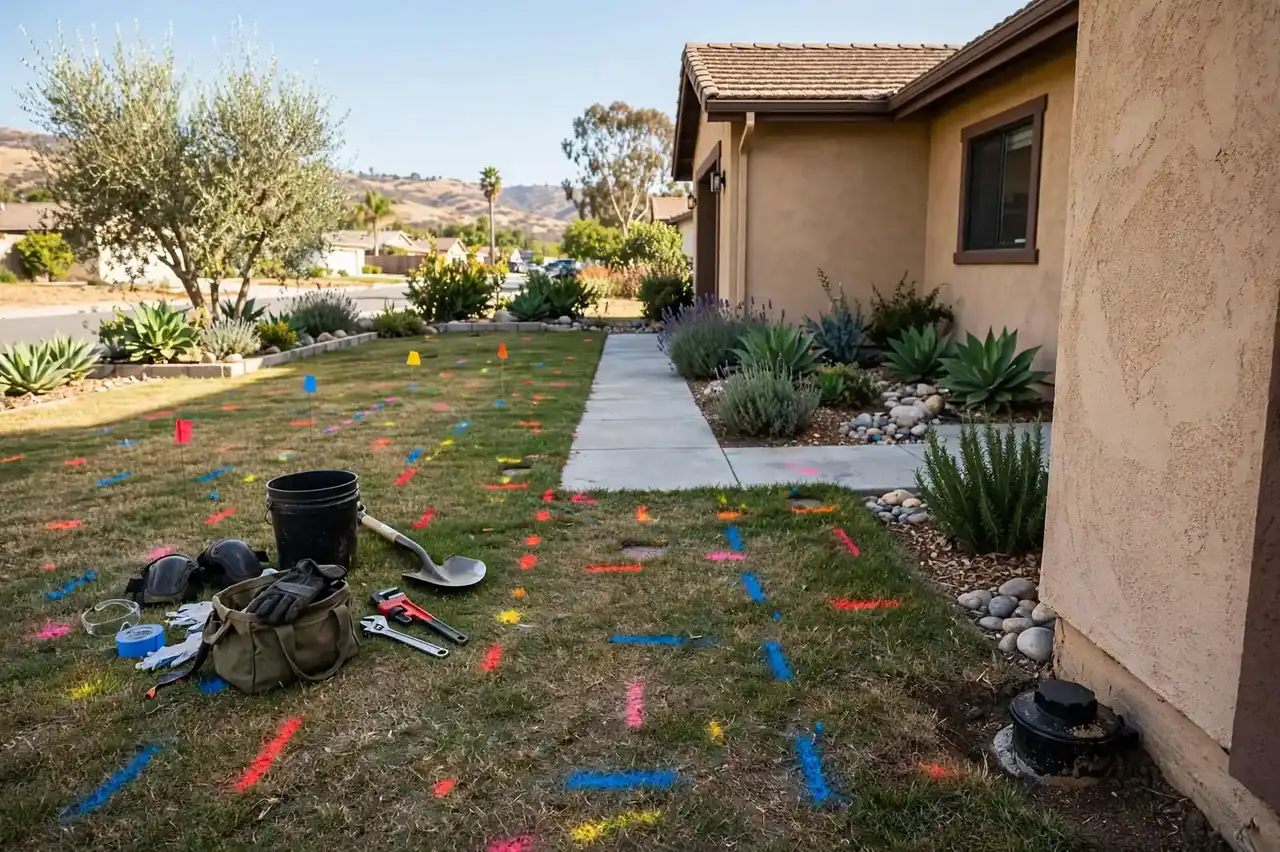
What to Have Ready Before Sewer Repair in Rancho Palos Verdes, CA
A little preparation before sewer repair saves time on site and helps the crew find the cause faster. Here is what to have ready: the symptoms, the lowest drain, the rain pattern, the home age, and the cleanout.
Frequently asked questions
Questions people ask about this topic, answered plainly.
Stop using water first, with no taps, no flushing, and no washing machine or dishwasher, then keep people and pets away from the water. Note where it is coming in and whether it is still rising, take photos before anything is moved, and call for help. Stop using water first, with no taps, no flushing, and no washing machine or dishwasher, then keep people and pets away from the water and note where it is coming in.
Wastewater is treated as contaminated water. Keep away from it, do not walk through it, and do not try to clean it with household tools. If the water is near electrical outlets or appliances, stay out of the room entirely and wait for help. Wastewater is treated as contaminated water, so keep away from it, do not walk through it, and stay out of the room entirely if the water is near electrical outlets or appliances.
No. Chemical drain cleaners do not clear a main-line blockage, and they can make the work harder and less safe for the crew that follows. Stop using water, keep away from the backup, and wait for help. The blockage needs a cable or a jetter, not a bottle. Chemical drain cleaners do not clear a main-line blockage, and they can make the work harder and less safe for the crew that follows, so wait for help instead of reaching for a bottle.
Clearing restores flow, but it only lasts if the cause was a one-off blockage. If the camera shows a collapse, a bad belly, or roots through many joints, the line will back up again, and the lasting fix is in the pipe. The camera findings decide whether the line needs a spot repair, lining, or replacement. Clearing restores flow, but it only lasts if the cause was a one-off blockage, and the camera findings decide whether the line needs a spot repair, lining, or replacement.
A backup that happens only in heavy rain points toward the street side or toward storm water entering the lateral. A surcharged main, a shared older sewer, or downspouts tied into the lateral can overwhelm a line that handles normal flow. The camera inspection after the rain is what separates a lateral problem from a street-side one. A backup that happens only in heavy rain points toward the street side or toward storm water entering the lateral, and the camera inspection after the rain separates the two causes.
A backwater valve sits in the lateral and allows flow in one direction only, closing when street water tries to push back toward the house. It is a rain-backup measure, not a repair for a cracked or root-filled pipe, and the crew checks the layout of the lateral and the position of the lowest drain before saying whether one can be fitted. A backwater valve is a one-way valve in the lateral that lets wastewater flow out but closes when water tries to flow back in from the street, and it helps where backups come from the street side.
Still have questions?
Call Now to reach a local sewer professional — describe the problem and what the line has been doing.
Call now for sewer line help
Tap Call Now to reach a local sewer professional. Tell them where the problem is, what the line has been doing, and whether wastewater is coming into the home.
Hours: Mon–Fri 7:00 AM–10:00 PM PT · Sat 8:00 AM–10:00 PM PT · Sun 7:00 AM–9:00 PM PT
Before you call
- Stop using water if the line is backing up.
- Keep people and pets away from any wastewater.
- Note which drains are slow, and which one backs up first.
- Note whether the problem happens in heavy rain, or all the time.
- Have the age of the home ready, if you know it.