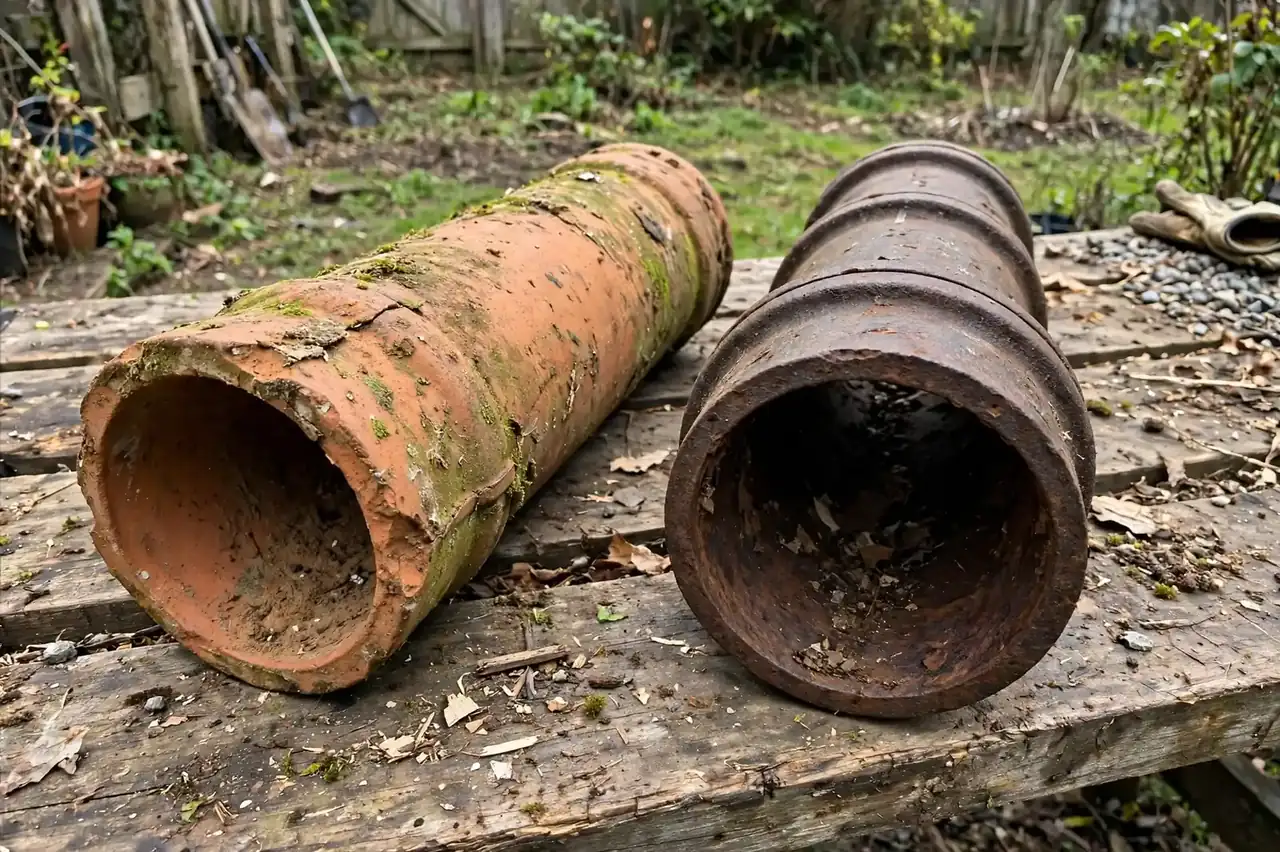
Old Sewer Pipes in Rancho Palos Verdes, CA: What Your Era of Pipe Means
The median Rancho Palos Verdes home was built in 1967, and more than eight in ten homes were built before 1980. The pipe under the yard is usually as old as the house.
Need help with your sewer line?
Call Now to reach a local sewer professional. Describe the problem, where it is, and what the line has been doing.
Hours: Mon–Fri 7:00 AM–10:00 PM PT · Sat 8:00 AM–10:00 PM PT · Sun 7:00 AM–9:00 PM PT
A city built in three waves
Rancho Palos Verdes was built in waves, and each wave laid a different kind of pipe. The first wave is the 1920s, in Miraleste and the other original districts of the Palos Verdes Project — Valmonte, Malaga Cove, Lunada, and Miraleste — where lots were sold from June 1923 and homes were built under the Palos Verdes Homes Association deed restrictions and Art Jury approval. The homes from that wave are now a century old, and their laterals are the oldest in the city. The second wave is the postwar tracts of the 1950s, 1960s, and 1970s, which hold most of the city's housing: the 1960s alone account for 38.3 percent of homes, the 1970s for 23.4 percent, and the 1950s for 19.8 percent. The third wave is the homes built from 1980 onward, only 15.8 percent of the city, with just 155 units added between 2010 and 2020.
The numbers behind those waves come from the 2024 American Community Survey, and they describe a city whose housing is old by any measure. The median year built is 1967, and 84.2 percent of homes were built before 1980. Only 2.7 percent were built before 1950, which means the 1920s homes are a small share of the total, but they are the oldest and most fragile. The postwar tracts are the bulk of the city, and their laterals are now between fifty and seventy years old. The homes built after 1980 are the minority, and their laterals are the youngest in the city, but even those are now decades old.
The era of a home is the first clue to the era of its pipe, but it is only a clue. A home built in the 1960s may have had its lateral replaced in the 1990s, and a home built in the 1980s may still have its original line. The camera inspection is the step that turns the clue into a fact, by showing the pipe material section by section, the joints, the cracks, and the connection at the main. The era tells the homeowner what to expect. The camera tells the homeowner what is actually there.
1920s Miraleste: the oldest laterals
Miraleste dates to the 1920s Palos Verdes Project, one of the four original districts, with lots sold from June 1923 and homes built under deed restrictions that still apply. A lateral from that era is a century old, and it was laid from the materials of its time: clay tile, and cast iron at the house end. Clay tile from the 1920s has joints that were sealed with mortar or similar material, and those joints have had a century to open. Cast iron from the same era has had a century to corrode from the inside. A Miraleste lateral that has never been replaced is a lateral that has outlived the materials it was made from, and the camera inspection of one usually shows open joints, roots, and a bore narrowed by corrosion and buildup.
The Miraleste lateral also lives on ground that is part of the Peninsula's hillside, with grade, rock, and mature trees. The trees above a Miraleste lateral — many of them decades old — have roots that seek water, and the open joints of a clay lateral are where they find it. The ground under the lateral has had a century to settle and move, and the pipe has settled with it, forming bellies where the ground has dipped. A Miraleste lateral that still works is a lateral that has been lucky, or a lateral that has been maintained, and the inspection is the way to tell which. A Miraleste lateral that backs up is a lateral that has reached the end of its working life, and the repair is usually a replacement rather than a spot fix, because the whole line is the same age and the same material.
A buyer looking at a Miraleste home should treat the lateral as a central question, not as an afterthought. The home may have been remodelled, rewired, and re-roofed, and the lateral may still be the original clay tile from the 1920s. The camera scope before purchase shows the condition of the line, and the buyer who has that footage can deal with the lateral as part of the purchase, the way the buyer would deal with a roof or a furnace at the end of its life. A seller in Miraleste who can show a recent scope or a recent replacement takes a question off the table before the buyer asks it, and the sale moves more smoothly for it.
1950s to 1970s tracts: clay, cast iron, and bituminous fiber
The postwar tracts hold most of Rancho Palos Verdes, and their laterals are the ones most homeowners in the city live with. The pipe stock from that era is three materials: clay tile, cast iron, and bituminous fiber. Clay tile was the standard outside pipe, laid in sections with a joint between each one, and the joints are the first thing to fail. Cast iron was used at the house end, where the lateral leaves the foundation, and it corrodes from the inside, narrowing the bore and roughening the surface so that waste catches. Bituminous fiber — a pipe made from wood fiber and bitumen, also known as Orangeburg in some places — was used in some tracts, and it fails differently: it softens, flattens, and collapses under load, and it does not hold its shape the way clay or iron does.
Each material fails on its own timetable. Clay tile generally lasts about fifty to sixty years, which means a clay lateral from the 1950s is now older than the material it was made from, and a clay lateral from the 1970s is reaching the end of that range. The joints open first, roots enter, and the roots widen the joints further, letting more water out and more roots in. Cast iron corrodes steadily, and the corrosion narrows the bore until the flow slows and the line backs up. Bituminous fiber fails faster under load, especially where the ground above it is driven on or where the soil is wet, and a flattened or collapsed fiber pipe cannot be lined, because it has lost its shape. The camera shows which material is in the ground, section by section, and the repair is chosen from what the camera found.
The tracts also have the trees. The postwar neighbourhoods were landscaped with eucalyptus, pepper trees, and other large species, and those trees are now mature, with root systems that reach the laterals. A clay lateral with open joints under a mature eucalyptus is a lateral that will keep filling with roots, and hydro jetting will clear the roots without sealing the joints they came through. The lasting fix is a repair that seals the joints — lining, bursting, or replacement — and the camera shows how many joints are open and how far the roots have spread. A tract lateral that has been lined or replaced is a lateral with sealed joints and a smooth interior, and the trees above it can press against the new pipe without entering it, because there is no opening to enter through.
What fails when: a timeline by material
Clay tile fails at the joints first, and the timeline is measured in decades. In the first decades, the joints hold, the bore stays open, and the line works. As the decades pass, the joint material breaks down, the joints open, and roots enter. The roots widen the joints, water leaks out and softens the ground, and the pipe settles into bellies. The bore narrows as roots and buildup collect, and the line slows, gurgles, and backs up. A clay lateral that is inspected every few years shows this progression while it is still manageable, and a lining job done while the pipe still holds its shape can seal the joints and extend the line's life. A clay lateral that is never inspected shows the progression as a backup, and the repair is larger for it.
Cast iron fails from the inside, and the timeline is also measured in decades. The inside of the pipe corrodes, the wall thins, and the bore narrows. The rough corroded surface catches waste, and the line slows. The wall can thin to the point where the pipe sags or cracks, and a cracked cast iron section can collapse. The camera shows the corrosion as a rough, narrowed bore, and the locator shows the depth and the position of the worst sections. A cast iron lateral that is lined while it still holds its shape can be sealed, but a cast iron lateral that has sagged or cracked needs a replacement, because the liner follows the sag and the belly remains.
Bituminous fiber fails by losing its shape, and the timeline is shorter under load. The pipe softens, flattens under the weight of the ground above it, and collapses. A flattened fiber pipe has an oval or collapsed bore that the camera shows plainly, and a collapsed fiber pipe cannot be lined or burst, because there is no round pipe to line and no pipe to burst through. The repair is a replacement, by open trench, with a new pipe laid at the correct grade. A homeowner whose camera shows bituminous fiber should ask what shape it is in, because the shape decides the method, and a fiber pipe that still holds its shape is a different job from a fiber pipe that has flattened.
Homes built after 1980: younger pipe, same questions
Homes built from 1980 onward are only 15.8 percent of Rancho Palos Verdes, and their laterals are the youngest in the city, but they are still decades old, and they still need inspection. The pipe stock from that era is usually plastic — PVC or ABS — with sealed joints and a smooth interior, and it resists roots and corrosion far better than clay or iron. A plastic lateral from the 1980s or 1990s that was laid at the correct grade and bedded properly can still be working well, and the camera inspection of one often shows a sound line with a clear bore. That is useful information for the owner, because it means the lateral is not a hidden problem.
A younger pipe is not a promise of a sound line, because the pipe is only part of the story. The grade, the bedding, the connection at the main, and the ground above the line all matter, and a plastic lateral laid at a poor grade will form a belly, a plastic lateral laid in sharp rock can crack, and a plastic lateral under a driveway can be crushed. The camera shows the grade, the joints, and the connection, and the inspection is worth having even on a younger home, because the inspection shows the line as it is, not as its age suggests it should be. A younger home with a poor lateral is a home whose owner should know about it before the first backup.
The inspection schedule for a younger lateral can be longer than for an older one, but it should still exist. A camera inspection every few years, and always after a backup, shows the condition of the line while it is still working, and a later inspection compared against the earlier footage shows whether the line is stable or changing. A plastic lateral that is checked is a lateral that does not surprise its owner, and the footage is the record that shows whether the ground or the pipe changed. The era of the home is a clue, and the camera is the fact, and the fact is what the repair plan is built from.
Reading your own lateral: the camera as the record
Whatever decade a home comes from, the camera is how its lateral is understood. The lens travels the full run from the foundation to the street main, and the operator reads the pipe as it passes: the material changing from one stretch to the next, the state of each joint, the cracks, the root masses, the low spots where water stands, and the fitting where the lateral meets the main. Above ground, the locator traces that same run and notes how deep each fault sits. What the homeowner receives is the recording plus a written reading of it, and any choice about repair, lining, or replacement starts from that reading. Without it, the lateral is an unknown under the yard, and unknowns under a yard tend to announce themselves as backups.
The footage should be kept, and each new inspection should be compared against the last. The comparison shows whether the line is stable or getting worse: whether the roots have returned, whether the joints have opened further, whether a belly has deepened, or whether a repair is holding. Without the earlier footage, a later inspection can only show the condition on that day, and the change over time is lost. The homeowner who keeps the footage has a history of the lateral, and the history is what turns a single inspection into a plan.
The era of the pipe is the starting point, and the camera is the end of the guessing. A Miraleste home from the 1920s, a tract home from the 1960s, and a newer home from the 1990s all have laterals, and all of those laterals are aging, at different rates and in different ways. The homeowner who knows the era, has the camera footage, and inspects on a schedule knows the lateral. The homeowner who does not know any of those things is living above a pipe whose condition is unknown, and the pipe will make itself known at the worst possible time. The inspection is the step that makes the unknown known, and it is the step that should come before the backup, not after it.
Services for this situation
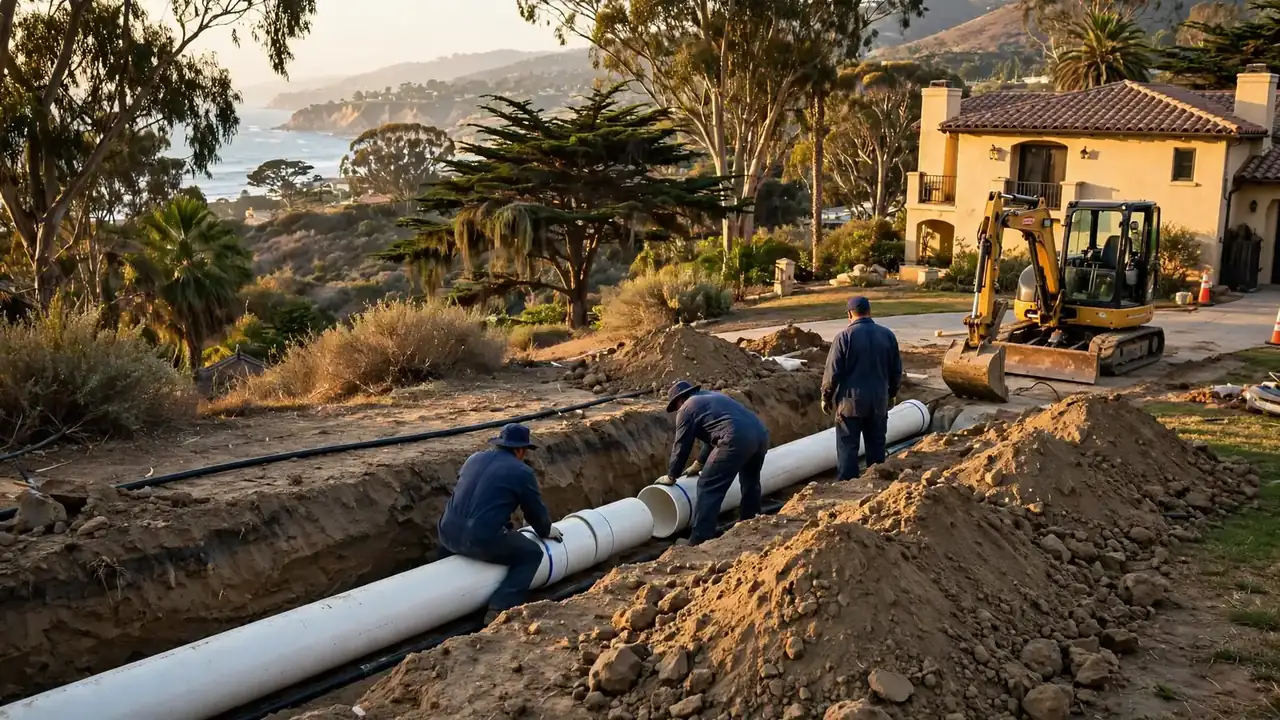
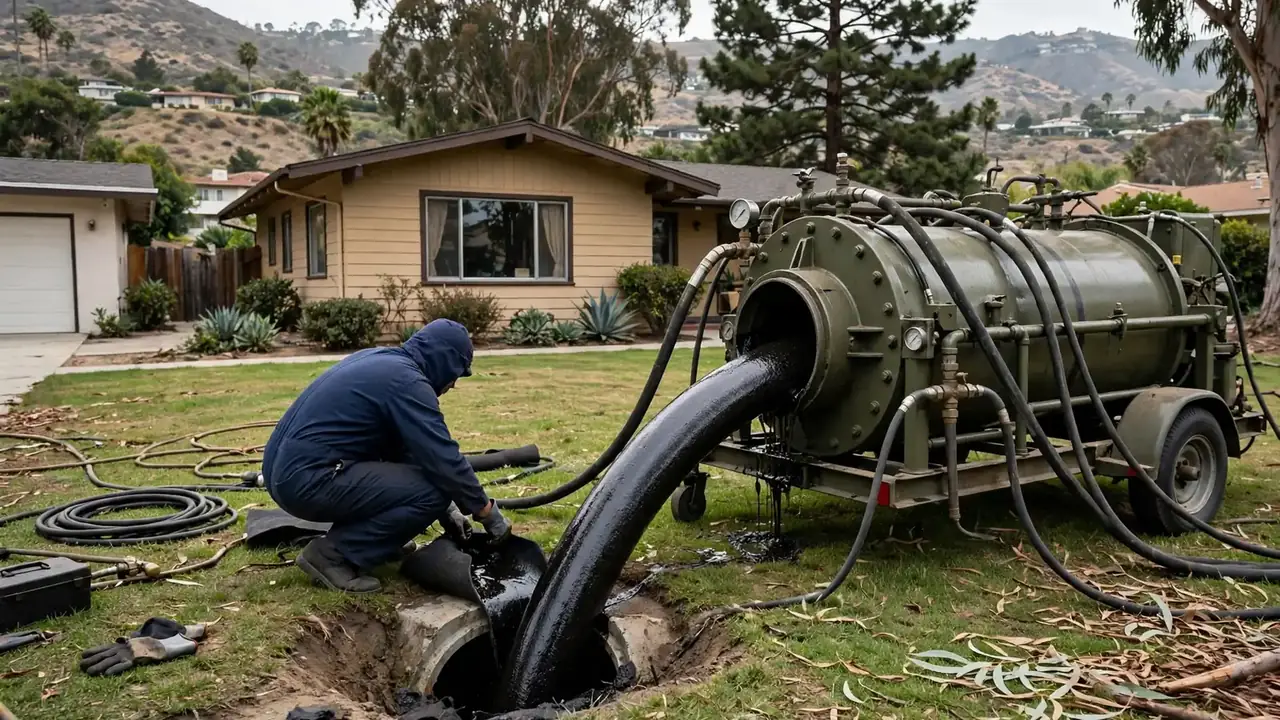
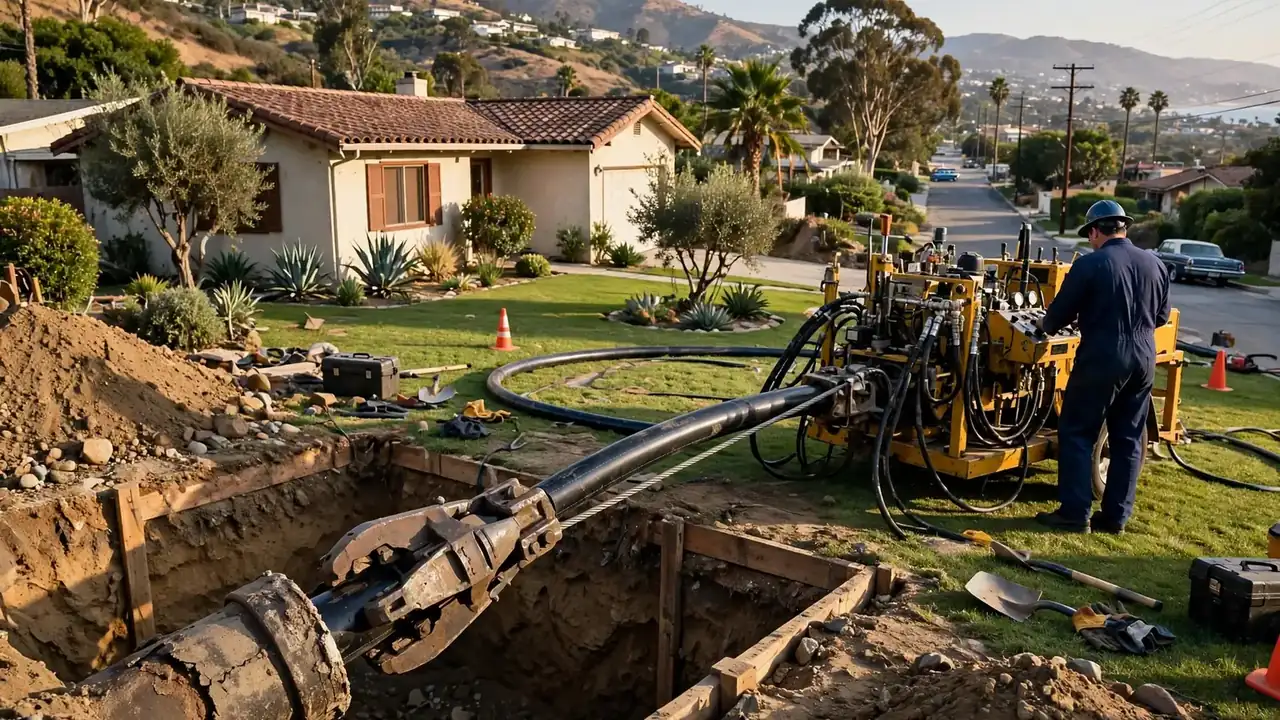
Related guides
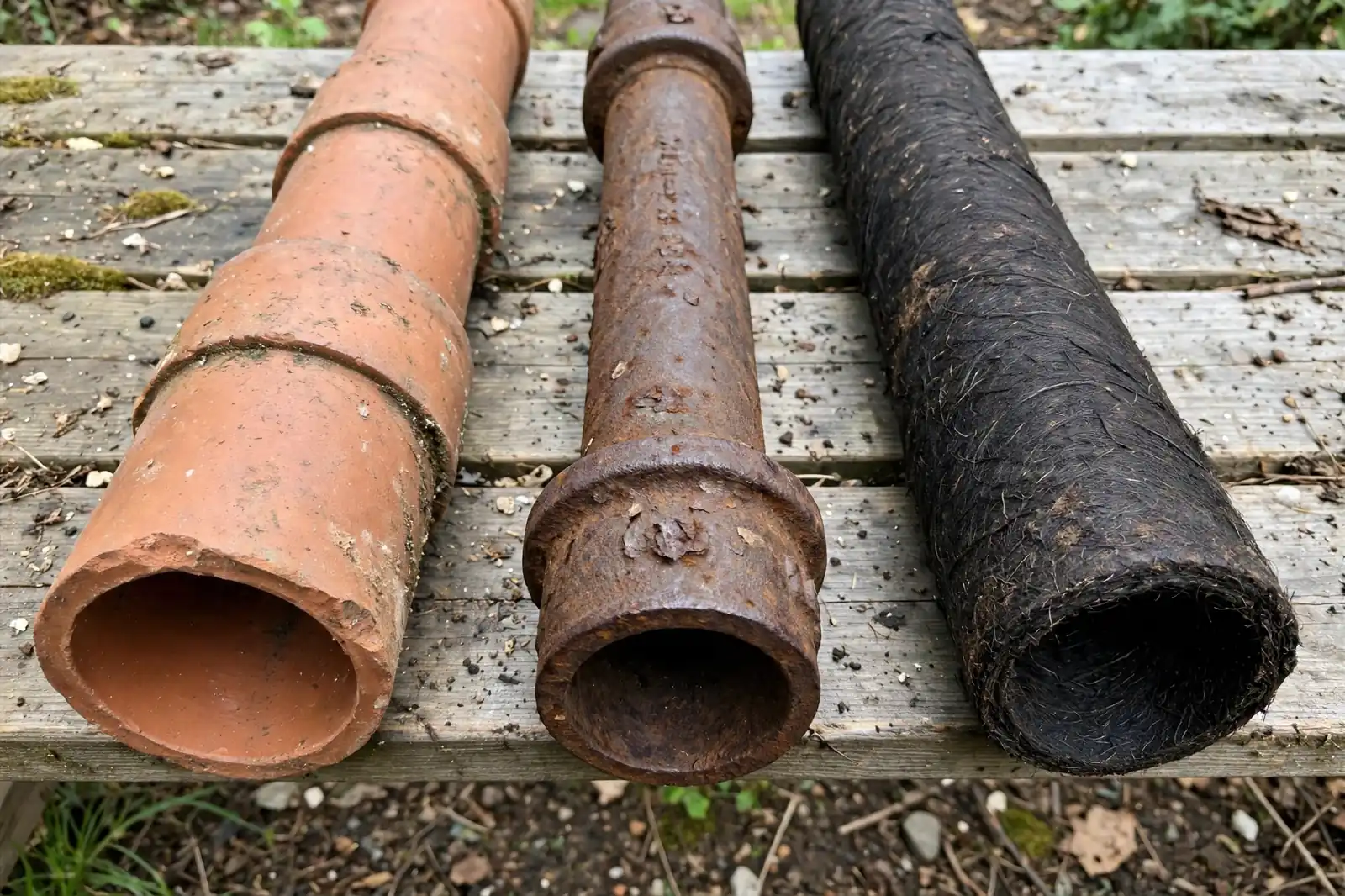 Clay vs Cast Iron vs Bituminous Fiber
Most Rancho Palos Verdes laterals are clay tile, cast iron, or bituminous fiber, laid when the homes went up. Each material fails ...
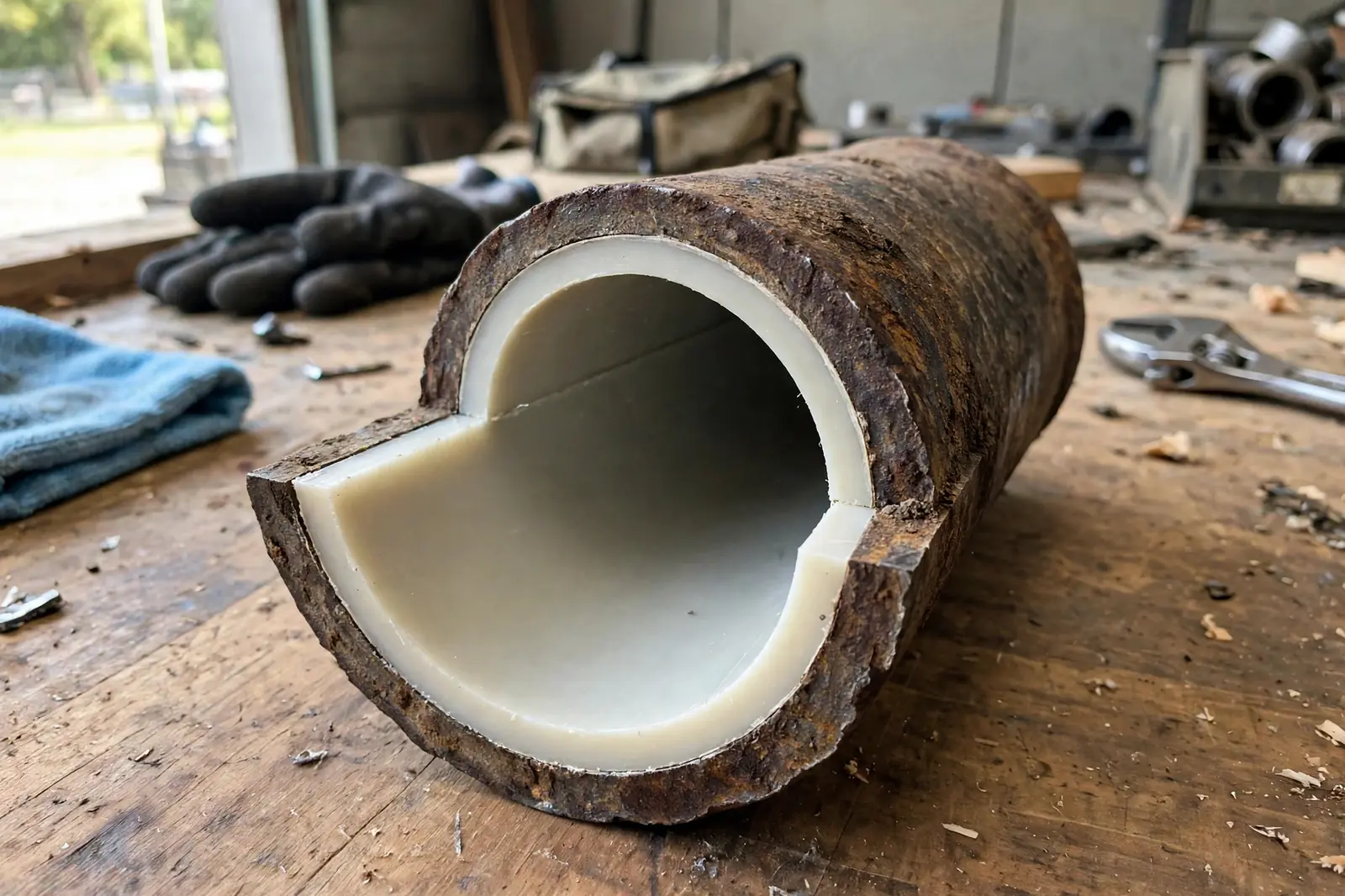 How Long Does CIPP Lining Last
Cured-in-place lining is designed for a long service life, with a 50-year design life as the standard reference. What affects it i...
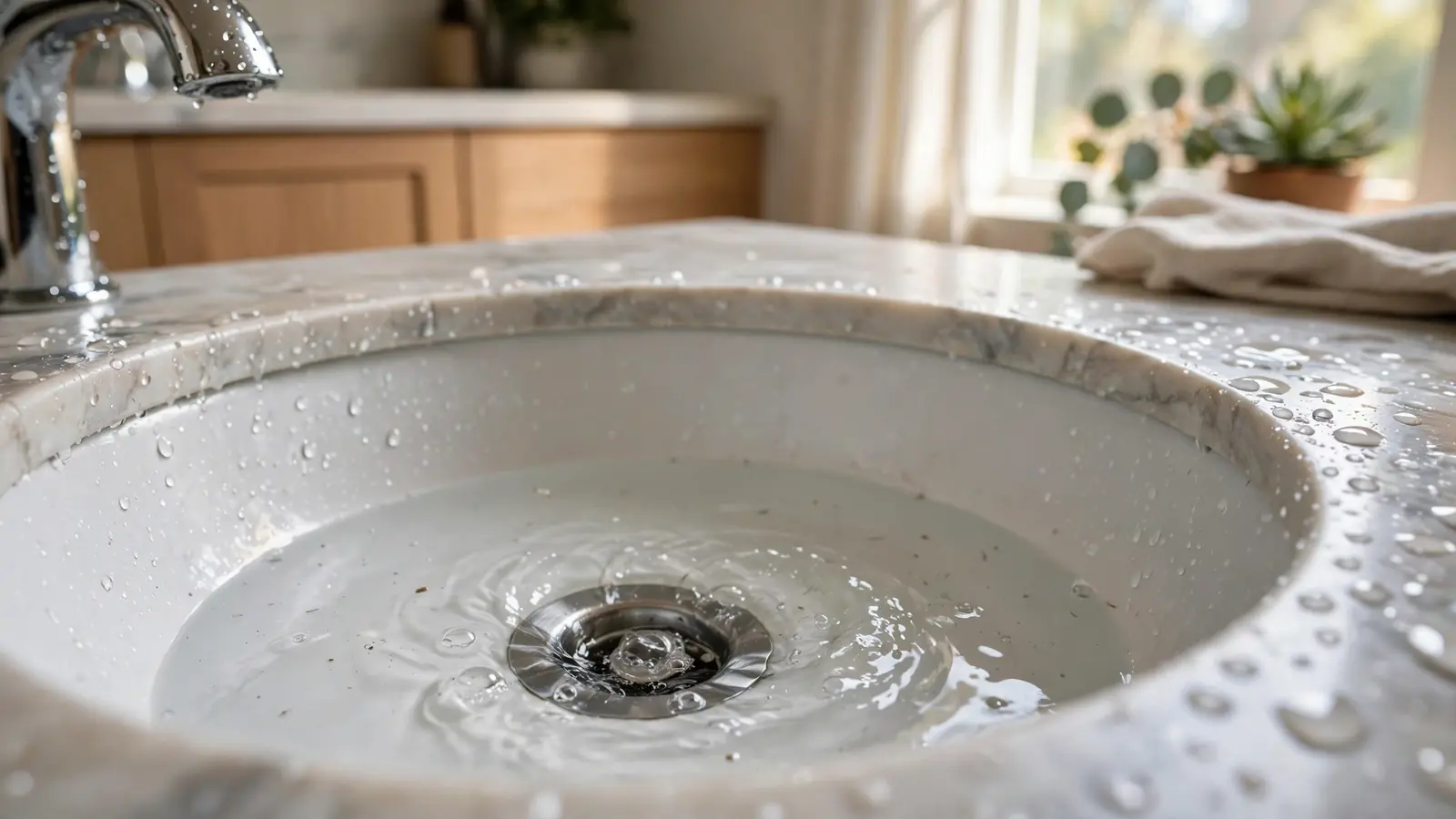 Signs Your Sewer Line Is Failing
Most Rancho Palos Verdes laterals were laid decades ago in clay, cast iron, or bituminous fiber. These are the signs that yours is...
Frequently asked questions
Questions people ask about old pipes in rancho palos verdes, answered plainly.
Three main materials: clay tile, cast iron, and bituminous fiber in the 1950s to 1970s tracts, with clay and cast iron in the 1920s Miraleste homes, and plastic in homes built from 1980 onward. The camera inspection shows which material is in the ground, section by section.
The median home in the city was built in 1967, and 84.2 percent of homes were built before 1980, so the typical lateral is decades old and often as old as the house. A lateral laid when the house was built is now between fifty and seventy years old in most of the city.
Bituminous fiber is a pipe made from wood fiber and bitumen, used in some postwar tracts. It softens, flattens, and collapses under load, and it does not hold its shape the way clay or iron does. A flattened or collapsed fiber pipe cannot be lined, because it has lost its shape.
As a rule of thumb, about fifty to sixty years. That puts a 1950s clay lateral past its expected span already, and a 1970s one near the end of it. Joints give way first, roots follow, and the bore narrows from there, which is why age alone is a fair reason to have the line scoped.
Jetting cuts the roots out but leaves the openings they came through, so they grow back through the same joints. Only a repair that closes those joints, by lining, bursting, or replacement, breaks the cycle. The camera shows how many joints are open and how far the roots have spread.
Yes. A plastic lateral from the 1980s or 1990s can still have a poor grade, a bad connection, or damage from rock or traffic above it. The camera shows the line as it is, not as its age suggests it should be, and the inspection is worth having even on a younger home.
A camera inspection shows it. The camera runs from the house to the street main, and the operator notes the pipe material section by section, with the locator marking each defect on the surface. The footage and the written findings are the record of what is in the ground.
Sewer line trouble in your Rancho Palos Verdes home?
Call Now to reach a local sewer professional. Describe the problem, where it is, and what the line has been doing.
Call now for sewer line help
Tap Call Now to reach a local sewer professional. Tell them where the problem is, what the line has been doing, and whether wastewater is coming into the home.
Hours: Mon–Fri 7:00 AM–10:00 PM PT · Sat 8:00 AM–10:00 PM PT · Sun 7:00 AM–9:00 PM PT
Before you call
- Stop using water if the line is backing up.
- Keep people and pets away from any wastewater.
- Note which drains are slow, and which one backs up first.
- Note whether the problem happens in heavy rain, or all the time.
- Have the age of the home ready, if you know it.