Sewer Smell in the House in Rancho Palos Verdes, CA
A sewer smell in the house usually starts with a dry trap. When the smell persists after the traps are filled, the lateral is the next place to look — and a camera inspection finds it.
Rancho Palos Verdes Sewer Line Pros · 2026-11-17 · Signs & Symptoms
The short version
Problem: Check dry traps first. Run water into every drain, especially rarely used ones, and see whether the smell stops.
What to do: If the smell persists and is strongest at the lowest drain, a cracked or bellied lateral is the likely source.
When to call: Call Now if the smell comes with a backup, or have the line camera-inspected to find the crack or the belly.
Start with the traps
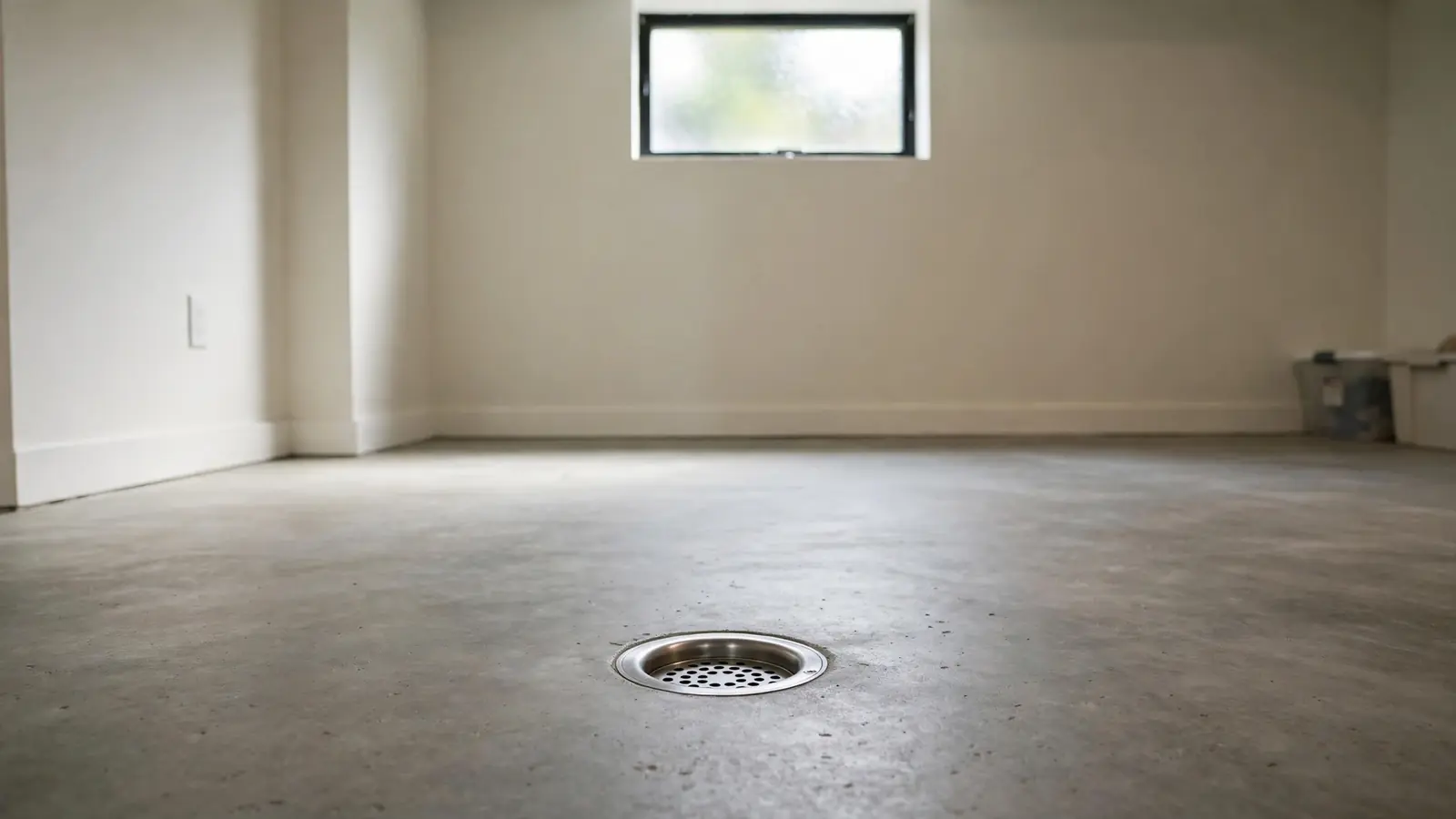
Every drain in a home has a trap, a U-shaped bend that holds water and blocks sewer gas from rising into the house. When a drain is not used for a while, the water in its trap evaporates, and the seal is gone. Sewer gas then has an open path into the room, and the smell appears. This is the most common cause of a sewer smell in a Rancho Palos Verdes home, and it is also the easiest to check. A trap in a floor drain can lose its water seal in a few weeks of warm weather, especially in a garage or lower level where the air is dry and the drain is rarely used.
The drains to check first are the ones that are rarely used. A floor drain in a garage or a lower level, a shower in a guest bathroom, a sink in a laundry room, and a drain in a room that was added later are all candidates. Run water into each one for a minute, long enough to refill the trap, and then wait. If the smell fades and stays away, the trap was dry, and the fix is to run water into that drain regularly so the seal stays in place. Pouring water into a floor drain every few weeks keeps the seal in place, and the habit costs nothing but a minute of time and a jug of water.
A floor drain deserves special attention. Many Rancho Palos Verdes homes have a floor drain on the lowest level, and it is the drain most likely to dry out, because it is used only when water is spilled or when the level is cleaned. Pouring water into it every few weeks keeps the trap full. If the smell returns quickly after the trap is filled, the problem is not the trap, and the search moves to the lateral. A smell that returns within a day of refilling the traps is a strong sign the problem sits deeper than a trap, because a full trap should hold its seal for weeks.
When the smell points to the lateral
A lateral problem has a pattern that a dry trap does not. The smell is strongest at the lowest drain in the house, because that drain is closest to the lateral and to the gas that escapes from it. The smell comes and goes with water use, strong after a shower or a load of laundry and faint at other times, because water moving through a damaged line pushes gas ahead of it and back through the drains. A cracked lateral lets gas escape along the length of the line, and the gas finds its way back into the house through the lowest openings, where the pressure is greatest.
A cracked section lets gas out of the pipe into the soil, and the gas finds its way back into the house through the lowest openings. A bellied section holds standing water, and the gas builds up behind the belly until a flush or a drain run pushes it back. Open joints in an old clay lateral do the same, letting gas escape along the length of the line. The smell may be faint at first and grow stronger as the damage spreads. A belly that holds standing water can trap gas behind it for hours, and the gas escapes in a rush when the next flush or drain run pushes water through the line.
The age of the home matters here. A lateral laid in the 1960s or 1970s in clay, cast iron, or bituminous fiber has had decades for joints to open and sections to crack. A smell that appears in a home of that age, and that does not go away when the traps are filled, is worth a camera inspection. The camera shows the crack, the open joint, or the belly, and the locator marks where it sits. Homes built in the 1960s and 1970s across Rancho Palos Verdes have laterals of the same age, and a smell that appears in a home of that age should be checked on camera rather than masked with air freshener.
Smells that come from inside the house
Not every sewer smell comes from the lateral. A vent pipe that is blocked or damaged can let gas into the house, because the vent is what carries sewer gas up and out through the roof. A bird nest, leaves, or debris in a vent, or a vent that was never run high enough, can cause a smell that seems to come from the drains. The smell from a vent problem is often strongest near the fixture whose vent is blocked. A vent that is blocked by leaves can cause a smell in one bathroom only, while the rest of the house stays clear, because the blocked vent serves that bathroom alone.
A drain that is not vented correctly can also lose its trap seal. When a toilet is flushed or a large fixture drains, the water moving through the pipe can pull the water out of a nearby trap if the venting is wrong, and the smell follows. This is more common in homes where a bathroom or a laundry room was added later, and the new drains were tied into the old system without the venting the layout needed. A toilet that was added later, with drains tied into the old system, can lose its trap seal when a large fixture drains, because the venting for the new layout was never quite right.
A wax ring under a toilet can fail too, letting gas escape around the base of the toilet. The smell is strongest at the floor around the toilet, and the toilet may rock slightly when it is used. These indoor causes are worth ruling out before the lateral is blamed, and a camera inspection that shows a sound lateral points the search back inside the house. A wax ring that has dried out lets gas escape around the base of the toilet, and the smell is strongest at the floor, close to where the toilet meets the drain.
Why the smell comes and goes
A sewer smell that appears only at certain times is telling the homeowner something about its cause. A smell that appears after a shower or a load of laundry, and fades in between, points to the lateral, because water moving through a damaged line pushes gas back through the drains. A smell that appears in hot weather and fades in cool weather points to a dry trap, because evaporation is faster when the house is warm. A smell that appears only when the wind blows from the sea can point to a vent, because the wind changes the pressure at the roof and pulls gas back down into the house.
A smell that appears when the wind blows from a certain direction can point to a vent problem, because the wind changes the pressure at the roof vent and pulls gas back down. A smell that appears only in one room points to the drain or the fixture in that room. The pattern is useful information, and it is worth noting when the smell appears, how strong it is, and which drains are closest to it. Hot weather makes a dry trap worse, because evaporation is faster when the house is warm, and a drain that held its seal through winter can dry out in a single hot spell.
Writing down the pattern helps the crew that inspects the line. Note the time of day, what water was running, which room the smell is strongest in, and whether it comes with gurgling or slow drains. A smell that comes with gurgling points to the lateral. A smell that comes with no other symptom points to a trap or a vent. Either way, the notes turn a vague complaint into a description the crew can work from. Writing down when the smell appears turns a vague complaint into a pattern the crew can use, and the pattern often points straight to the cause before the camera is even in the line.
What a camera inspection shows for a smell
A camera inspection for a sewer smell runs the full lateral, from the house to the street main. The camera shows the material, every joint, every crack, and every belly, and the operator notes where each defect sits and how deep it is. A crack that lets gas out is visible on the monitor, and so is a belly where water stands and gas builds up. The locator marks each defect on the surface above the line. A camera that runs the full lateral shows every crack and belly, and the operator notes the distance of each defect from the house, so the repair can be planned for the right place.
The inspection also shows what is not wrong. A lateral that is clear, continuous, and without cracks rules out the line as the source of the smell, and the search moves to the traps, the vents, and the fixtures inside the house. That is a useful result too, because it stops the homeowner from digging up a sound line in search of a problem that sits indoors. A sound lateral on camera is a useful result, because it rules out the most expensive cause and sends the search back to the traps, the vents, and the fixtures inside the house.
After the inspection, the crew explains what the camera found in plain language, and what the options are. A single cracked section may be a spot repair. Roots at many joints may call for lining. A badly bellied line may call for a larger fix. The smell is the symptom, and the camera is what turns it into a diagnosis the homeowner can act on. After the inspection the crew explains the findings in plain language, so the homeowner knows whether the smell comes from the pipe, a vent, or a trap, and what the next step is.
Related: Old Pipes in Rancho Palos Verdes · Sewer Camera Inspection · sewer line repair across Rancho Palos Verdes
Related guides
 Signs & Symptoms
Signs Your Sewer Line Is Failing in Rancho Palos Verdes, CA
Most Rancho Palos Verdes laterals were laid decades ago in clay, cast iron, or bituminous fiber. These are the signs that yours is failing — and what a camera inspection shows before any work starts.
 Signs & Symptoms
Gurgling Toilet in Rancho Palos Verdes, CA: What It Means
A toilet that gurgles when the washing machine runs or a sink drains is not a toilet problem. It is air trapped in the lateral pushing back through the bowl — and a camera inspection finds why.
 Signs & Symptoms
Slow Drains vs Main Line Problem in Rancho Palos Verdes, CA
One slow drain is usually a local clog. Several slow drains at once mean the lateral. Here is how to tell the difference in a Rancho Palos Verdes home — and what to do next.
Frequently asked questions
Questions people ask about this topic, answered plainly.
A smell that comes and goes with water use points to the lateral, because water moving through a damaged line pushes gas back through the drains. A smell that appears in hot weather points to a dry trap. Note when the smell appears and what water was running, and the pattern will point to the cause.
It fixes a dry trap, which is the most common cause. Run water into every drain, especially rarely used ones, and wait. If the smell stops, the trap was dry. If the smell returns quickly, or never goes away, the cause sits deeper, and a camera inspection is the next step.
Yes. A blocked or damaged vent can let gas into the house, and the smell is often strongest near the fixture whose vent is blocked. Leaves, nests, or debris in a vent are common causes. A camera inspection that shows a sound lateral points the search back to the vents and the indoor drains.
A persistent sewer smell should be checked, not ignored, especially if it comes with slow drains or a backup. Keep the room ventilated, keep water in every trap, and have the cause found. The smell is a warning that gas is entering the house, and the cause should be identified.
The lowest drain in the house is closest to the lateral, and gas escaping from a cracked or bellied line reaches it first. A smell that is strongest at the lowest drain, and that grows stronger after water is used elsewhere, points to the lateral rather than to a single fixture.
Note when the smell appears, how strong it is, which room it is strongest in, and whether it comes with gurgling or slow drains. Note whether running water in the drains helps, and whether the smell follows a shower or a load of laundry. Those details help the crew decide where to look first.
Still have questions?
Call Now to reach a local sewer professional — describe the problem and what the line has been doing.
Call now for sewer line help
Tap Call Now to reach a local sewer professional. Tell them where the problem is, what the line has been doing, and whether wastewater is coming into the home.
Hours: Mon–Fri 7:00 AM–10:00 PM PT · Sat 8:00 AM–10:00 PM PT · Sun 7:00 AM–9:00 PM PT
Before you call
- Stop using water if the line is backing up.
- Keep people and pets away from any wastewater.
- Note which drains are slow, and which one backs up first.
- Note whether the problem happens in heavy rain, or all the time.
- Have the age of the home ready, if you know it.